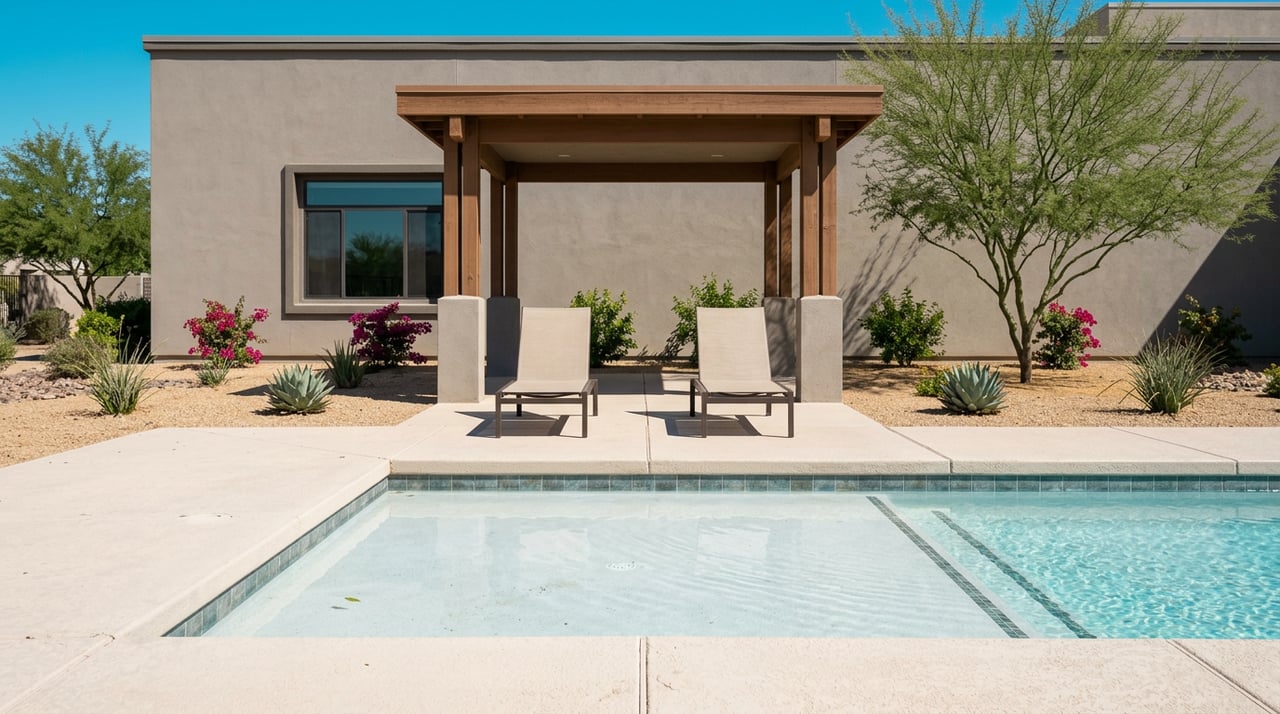
Comparing new-home communities in Queen Creek can feel like a full-time job. With rapid growth and dozens of neighborhoods, you have real choices, but also real tradeoffs. You want the right builder, a lot that fits your lifestyle, clear HOA rules, and incentives that actually save you money. This guide gives you a practical, side-by-side method to evaluate communities in the Pinal side of Queen Creek so you can buy with confidence. Let’s dive in.
Why Queen Creek has so many choices
Queen Creek is growing quickly. The town’s estimated population reached 83,781 as of July 1, 2024, which is a big reason you see multiple master-planned communities and active building phases today. You can confirm the growth context in the U.S. Census QuickFacts for Queen Creek.
The Town is planning for continued housing demand through 2030, with attention on lot inventory, roads, and utilities. That is why you should consider infrastructure and water availability when you compare neighborhoods. The Town’s housing needs and planning documents outline this growth, and they help explain why new-community amenities and services vary by location. Review the Town’s housing and planning materials and the Utilities pages for water and wastewater context.
How to compare builders
Check licensing and complaints
In Arizona, you can verify a builder’s license and see complaint or disciplinary history through state resources. Use a trusted guide to the process like this overview on verifying an Arizona contractor license. Ask the sales team which ROC license number covers your lot, then confirm it before you sign.
Understand warranty coverage
Most new homes include a 1-year workmanship period, 2-year systems coverage, and a 10-year structural warranty. Many builders enroll homes with third-party administrators. Request the full warranty booklet and the claims process in writing. For background on typical 1-2-10 structures, see the 2-10 Home Buyers Warranty explanation.
Research reputation locally
Ask for a list of the builder’s recent neighborhoods in Queen Creek and the East Valley. Visit a completed home of the same plan if possible, and note the finish quality versus the model. Speak with your agent about local close-out behavior and response times. Read the warranty terms carefully so you know what counts as a repair versus replacement, notice deadlines, and expected response times.
Lot and site selection
Orientation matters in the desert. A north-facing backyard often sees less afternoon heat, which can make patios more usable. For future solar, confirm roof planes, potential shading from two-story neighbors, and any tree plans that could affect panels.
Check drainage and grading at the lot. Note the pad height relative to the street, swales, and any retention areas. Ask for the preliminary plat to see public-utility easements and setbacks, since these affect your usable yard, future fence placement, and RV gate feasibility.
Think about proximity and noise. Walk from the lot to planned amenities and nearby arterials to judge convenience and potential traffic sound. Ask about construction timing on adjacent phases so you know what to expect during your first year in the home.
Floor plan livability
Match the layout to your daily routine. Test where you’d drop backpacks, unload groceries, or set up a work-from-home space. If single-level living or a bedroom on the main floor matters for long-term comfort, prioritize plans that support it.
Ask about mechanical placement and service routes. Where are the HVAC units and water heater located, and how is attic access handled? Undersized systems or difficult service paths can lead to comfort issues. Confirm that the plan you choose is engineered for the square footage and exposure of your lot.
HOA structure and amenities
Get the governing documents early
Request the CC&Rs, bylaws, rules, current budget, latest financials, and any recent reserve study or reserve policy before you commit. Arizona’s Planned Communities Act sets expectations for record access and open meetings. Review your rights in the state’s Planned Communities Act reference. For a plain-language overview of record-access timelines, see this records and documents guide.
Understand declarant control and turnover
Many master-planned communities have a period when the developer appoints the HOA board. Ask how long declarant control will last and whether the project includes sub-associations. The answer affects who maintains amenities and how assessments are allocated by phase.
Balance amenities with dues
Pools, fitness rooms, lakes, trails, and pickleball courts add lifestyle value and cost. Compare the amenity list to monthly dues and reserve funding. If a lake or aquatic center is advertised, ask who pays for long-term maintenance and when those obligations shift to homeowners.
Incentives, pricing, and contracts
Know the incentive types
Builders may offer price adjustments, design-center credits, closing-cost help, mortgage-rate buydowns, and lot-premium changes. Incentives change often and may vary between quick-move-in homes and to-be-built contracts. Whatever you negotiate, make sure it is captured in the purchase agreement or addendum.
Clarify lender conditions
You can usually use your preferred lender, but some incentives apply only if you use the builder’s lender and title provider, or close by a specific date. Read the fine print so you do not lose a credit by missing a condition.
Understand change orders and timelines
Ask how upgrades are priced and paid, whether structural options have earlier deadlines, and how long the standard build takes. Confirm what happens if you miss a selections deadline. Verify what is included in the base price compared to options and lot premiums.
Inspections and post-closing support
New does not mean perfect. Hire an independent inspector for key phases if the builder allows access, or at least for a final inspection before close. Put an 11-month warranty inspection on your calendar so you can submit punch-list items before the typical workmanship coverage expires. Keep the builder’s warranty portal, phone number, and notice requirements handy. For context on structural warranties and claims, review the 2-10 warranty overview.
Queen Creek specifics to factor in
Water resources and landscaping
Queen Creek operates water and wastewater utilities for much of the town and is investing in long-term supply and infrastructure. Ask whether a community uses reclaimed irrigation, restricts turf, or requires specific landscape palettes that affect irrigation costs. You can learn more on the Town’s Utilities pages. The town has also pursued additional surface water and related wheeling agreements to complement groundwater, which informs long-term planning and landscape choices. See the federal overview of Queen Creek’s water-supply transactions and environmental review on the U.S. Bureau of Reclamation site.
County lines and permitting
Parts of Queen Creek sit in Pinal County and others in Maricopa County. The county of record can affect permitting timelines, tax records, and which assessor site you use. Confirm your lot’s county and ask how that affects schedule and closing.
Schools and proximity
School assignment can be a key factor when choosing between communities. Review district information and confirm school locations and boundaries directly with the district. For context, see the Queen Creek Unified School District overview.
Examples to explore
Local master-planned projects change by phase and builder, but you will often see communities like Barney Farms by Fulton Homes with lakes and active amenities. For current examples and typical floor-plan ranges, visit the Fulton Homes Barney Farms community page. Other active builders may include Lennar and Toll Brothers in adjacent Queen Creek and San Tan corridors. Always confirm what is open and what is planned before you compare prices.
On-your-tour checklist
Use this list to compare communities side by side.
Pre-tour: documents to request
- Community plat and site plan that show lot orientation, easements, drainage, and amenity locations.
- Builder’s warranty summary and any third-party provider booklet.
- HOA CC&Rs, rules, budget, latest financials, and reserve policy. Review your record-access rights in Arizona’s Planned Communities Act.
At the model or lot
- Stand on the lot in late afternoon to judge sun exposure and potential heat at the patio.
- Check pad height, street drainage, swales, and any retention or utility easements.
- Note distance to arterials and planned amenities, and ask about construction timing on nearby phases.
- Ask to tour a completed home of your plan to assess real-world finish quality.
Contract and finance
- Get every incentive in writing, including any lender or title conditions and close-by dates.
- Confirm deposit schedule, refund rules, and what counts as default by either party.
- Ask about liquidated damages or protections if the builder misses the closing date.
- Clarify change-order pricing, selection deadlines, and structural option cutoffs.
- Verify base price inclusions versus options and lot premiums.
HOA review
- Request the latest budget, reserve details, and any planned special assessments.
- Confirm transfer fees and typical turnaround time for resale or estoppel packages. For an overview of records access, see this records and documents guide.
Post-closing and warranty
- Schedule an independent 11-month warranty inspection.
- Save the warranty portal, claim steps, and response time standards from the builder or third-party administrator. Reference the 2-10 structural warranty basics to understand common coverage.
Ready to compare, step by step?
You now have a clear path to evaluate builders, lots, plans, HOAs, incentives, and warranty support in Queen Creek. If you want a second set of eyes on your short list, or guidance on negotiating upgrades and incentives, we are here to help. Connect with April Shumway for local, builder-savvy representation that puts your interests first.
FAQs
What documents should you review before buying in a Queen Creek new-home community?
- Request the community plat, builder warranty booklet, and full HOA package that includes CC&Rs, rules, current budget, and latest financials for a complete picture.
How do HOA rules and dues affect your costs in Queen Creek?
- Amenities drive dues and reserve needs, so compare features to budgets and ask about planned assessments; review your rights under Arizona’s Planned Communities Act.
Should you hire an inspector for a new construction home in Queen Creek?
- Yes, schedule independent inspections and an 11-month warranty check to document issues before workmanship coverage typically expires.
How do water resources influence landscaping choices in Queen Creek?
- Communities may limit turf or require certain plant palettes; check the Town’s Utilities resources and ask if reclaimed irrigation is available to manage long-term costs.
What is a 1-2-10 new-home warranty?
- Many builders provide 1 year for workmanship, 2 years for major systems, and 10 years for structural coverage, often administered by a third party.