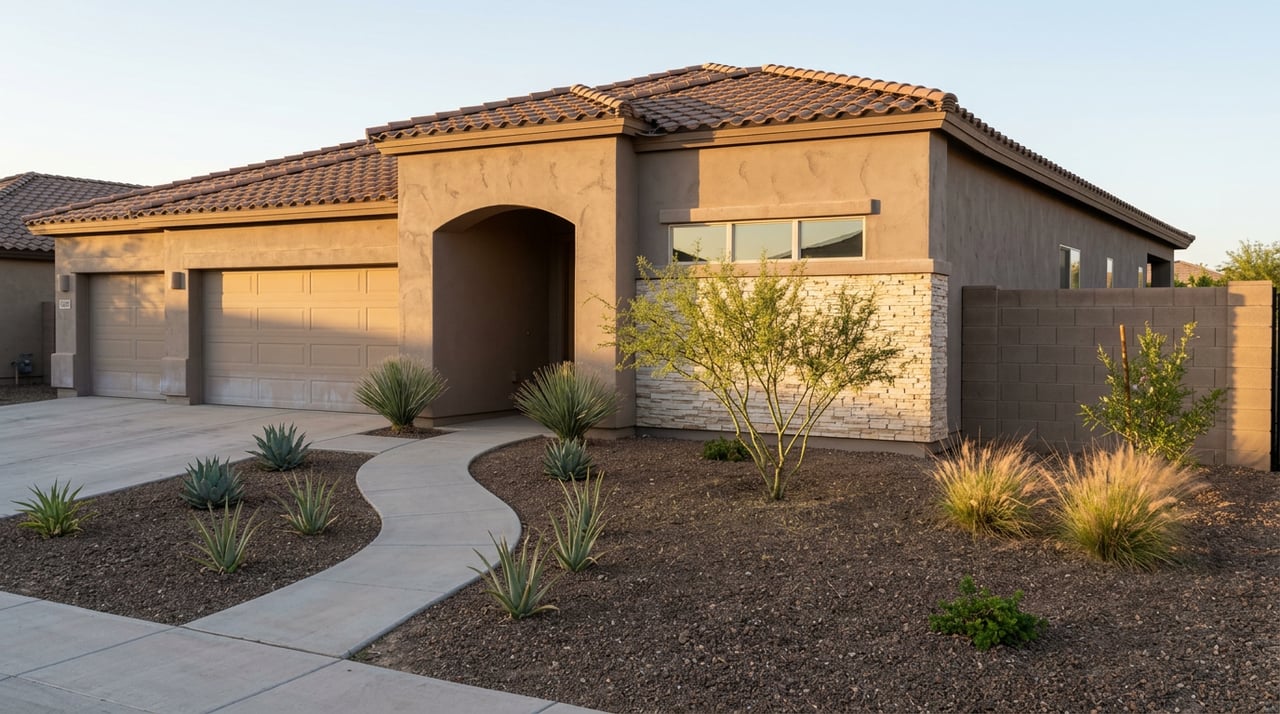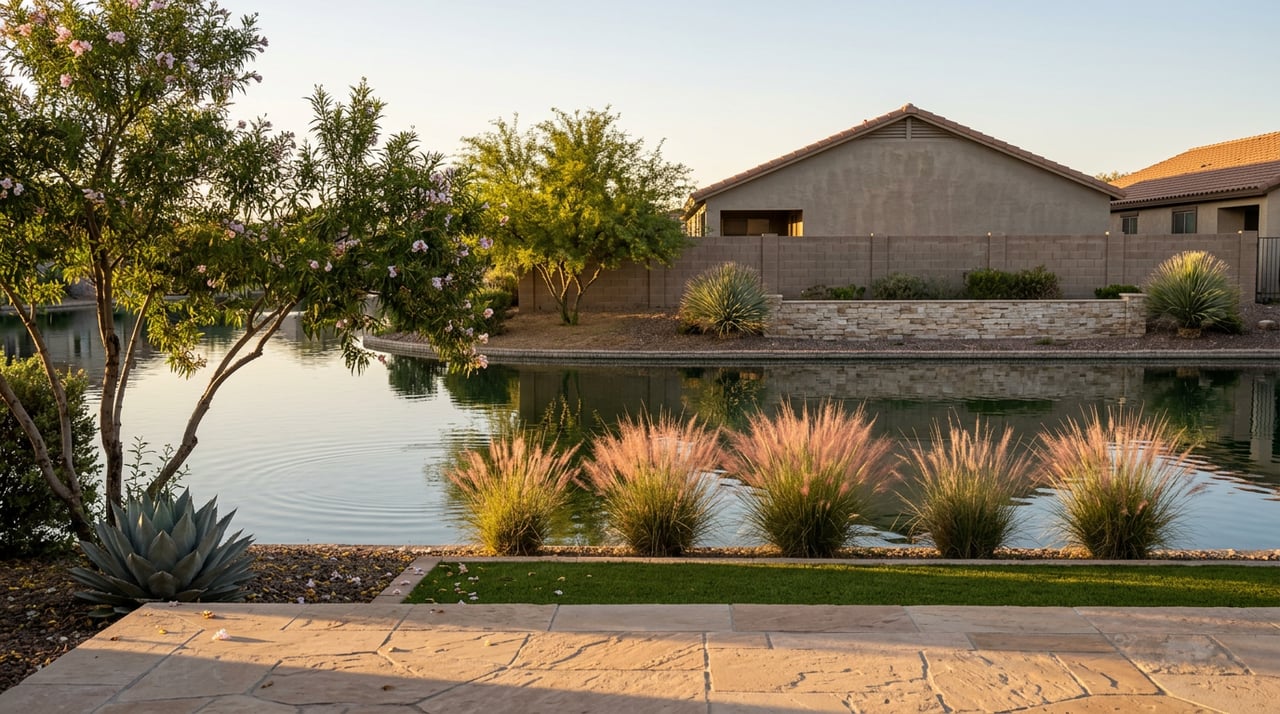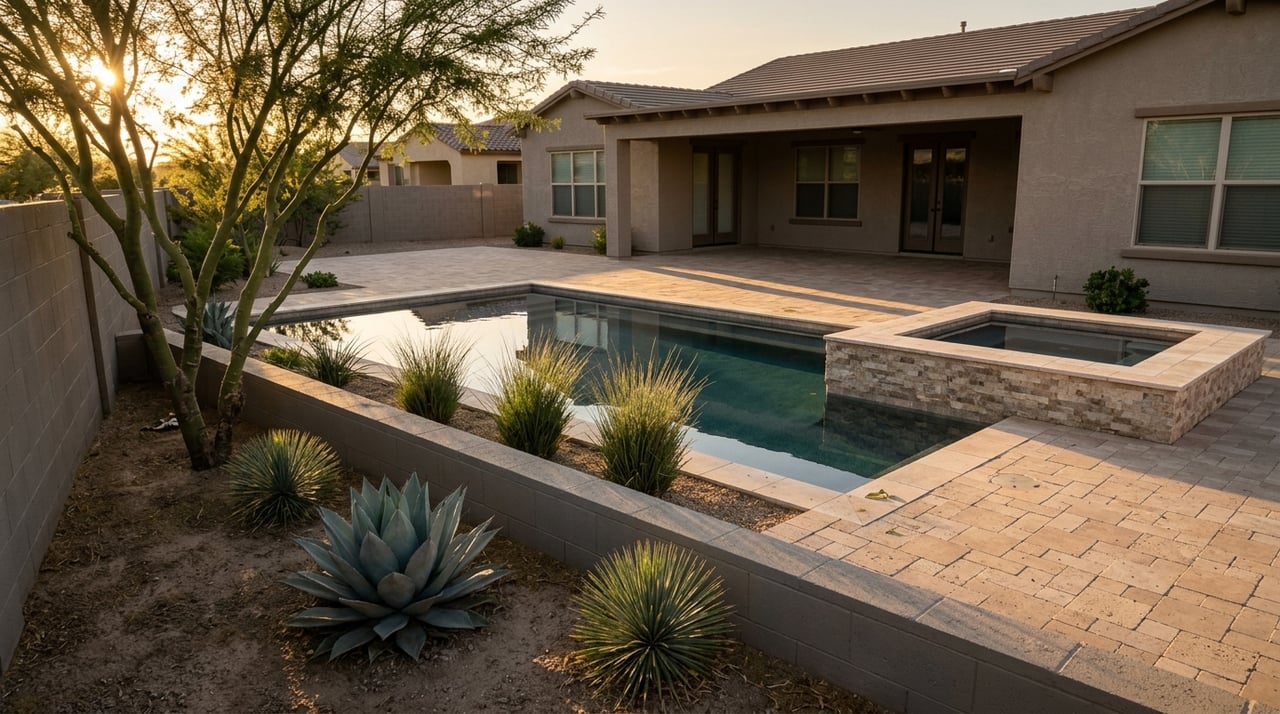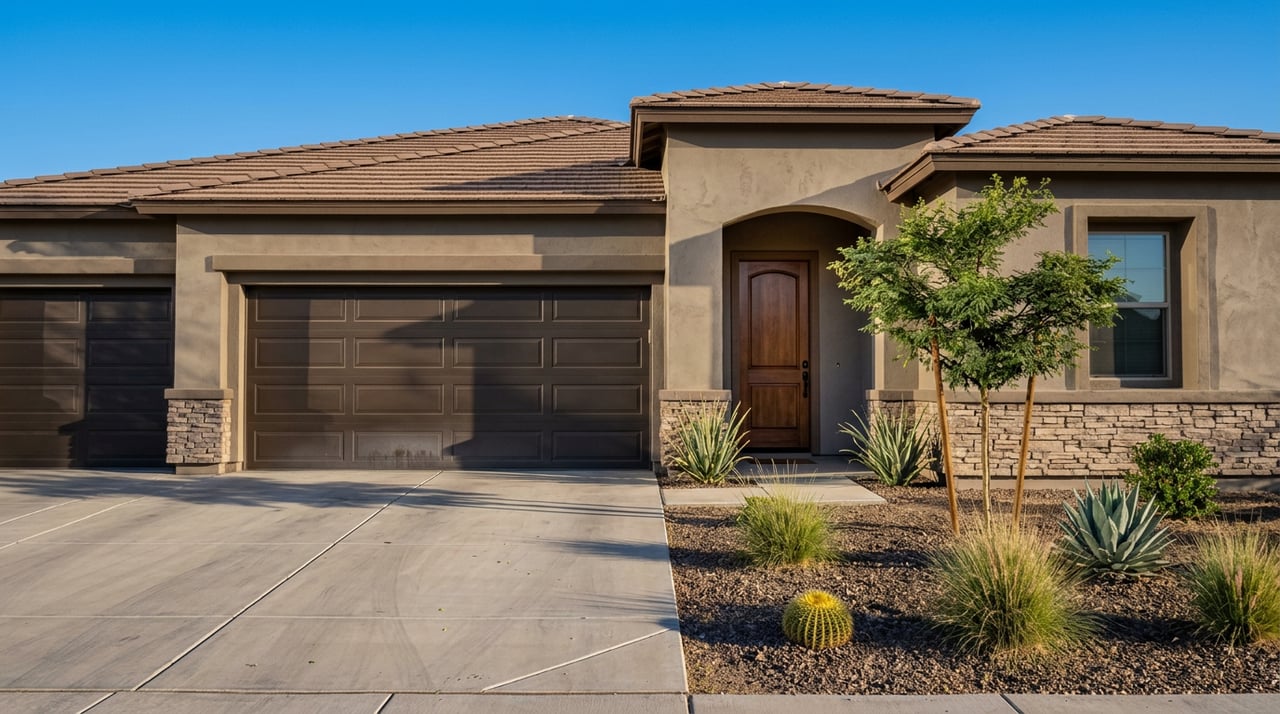
Drive through the new-build rows in south Chandler right now and the banners are hard to miss. Model after model advertises the same kind of language: rate buydowns, five-figure closing cost credits, design center allowances stacked on top of each other. Walk into three different communities in an afternoon and you'll see three different versions of the same pitch, each one bigger than the last builder's.
The instinct is to read that as builders being unusually kind to buyers this year. The more accurate read is closer to the opposite. A builder's incentive package is not a mood, it's a response to a problem. And the size of the problem in Chandler right now is bigger than most buyers realize.
The Incentive Boom Has a Cause, and It Isn't Kindness
Builders in Chandler aren't competing with each other as much as they're competing with resale. Every month a new-construction home sits unsold is a carrying cost the builder is paying, and right now resale is winning the fight for buyers in a way that shows up clearly in the closing data.
As of April 2026, new homes accounted for only 15.3 percent of Maricopa County's residential market, the lowest share recorded since April 2022. That same April data set put the re-sale median sale price at $461,500, up modestly from April 2025, while new-home pricing kept trending in the opposite direction. By June 2026, new construction's share had ticked up slightly to 15.8 percent, but that was still down from 20.8 percent a year earlier, a loss of more than five percentage points and over 24 percent of new construction's prior share of the market. Buyers who had favored new construction through 2024 and 2025 shifted noticeably back toward re-sales in 2026.
That shift is the real reason the banners keep getting bigger. When a builder can't move standing inventory at the posted price, and can't cut the base price too far without dragging down the appraisal comps for the next phase of the same community, the incentive stack is the pressure valve. It's not a gift being extended to you. It's a symptom of a builder trying to hit a number.
This isn't unique to Chandler. Nationally, 64 percent of builders offered sales incentives in 2025, a rate that touched a five-year high of 66 percent in August 2025, according to National Association of Home Builders survey data. Chandler is simply where that national pattern is playing out against a specific local backdrop, which is why the incentive size varies so much block to block.
Why the Incentives Cluster Around Two Months a Year
If you've shopped new construction in Chandler for more than a few weeks, you may have noticed the offers aren't flat all year. Builders run on fiscal reporting cycles, and the most aggressive packages tend to show up at the end of June and the end of December, the points where a builder needs to report closed sales numbers to its own leadership or public shareholders.
That timing is useful information if your move date has any flexibility. A buyer who can close in late June or late December is shopping the same floor plan the rest of the year's buyers saw, but at the moment the builder has the most reason to make a deal happen. A buyer locked into a hard date in February or September is shopping the same inventory with less leverage on the table.
What This Actually Buys You, By Part of Chandler
The incentive conversation only makes sense once you know where in Chandler you're standing, because the city is really running three different housing markets under one name.
| Area | Typical Price Range | What's Actually There |
|---|---|---|
| North Chandler (85224, 85225) | Near $420,000s and up | Built out, largely resale, few new-construction options left |
| The traditional middle | Roughly $450,000 to $750,000 | The bulk of Chandler's suburban single-family stock, mostly resale |
| South Chandler / Ocotillo, Fulton Ranch | Roughly $725,000 to $749,000-plus | Where nearly all of Chandler's remaining new construction sits |
| Downtown-adjacent entry tier | Roughly $500,000 to $750,000 | New-construction townhomes within walking distance of the Heritage District |
These are the tier medians as tracked in local market analysis through the first half of 2026, and the geographic pattern behind them, new construction concentrated in the south, resale dominating the north, has held for months.
Chandler's new-construction market runs from roughly $500,000 up past $1.6 million as of mid-2026, and almost all of it sits in south Chandler. If you want brand-new construction at the lowest entry point, that means townhome product like San Marcos or Tre Vicino near downtown, walkable to the Heritage District. Step up a tier and you're looking at gated communities like K. Hovnanian's Veridian near Ocotillo and McQueen, or the entry-plan side of Blandford Homes' Earnhardt Ranch, both offering multi-generational floor plan flexibility without moving into estate pricing.
North Chandler tells a different story entirely. It's largely built out, which means pricing there follows resale comps, not builder incentive sheets. If your search keeps drifting north for affordability, you should expect to be shopping resale almost exclusively.
Before You Compare the Sticker Price
The incentive number on the banner is rarely the number you actually get. A few things worth checking before you take it at face value:
- The incentive package is usually tied to using the builder's preferred lender. Bring outside financing and you can lose $15,000 to $40,000 in incentive value, so run the math both ways before deciding.
- The agent standing in the model home works for the builder, not for you. The contract in front of you was written by the builder's attorneys, for the builder.
- Design center upgrade menus are generous by design, and it's easy to add $75,000 to $200,000 to a Chandler new build once you start selecting finishes. Structural options like room additions, extended patios, or an extra garage bay are worth prioritizing, since they can't be added cost-effectively after closing. Cosmetic items like flooring and backsplash are often cheaper to handle yourself later.
The Twist That Changes the Math: Chandler Is Also Running Out of Room
Here's where the story gets more complicated than "wait for a bigger incentive." Chandler has developed more than 90 percent of its available land, and as of April 2026 the city was essentially out of the large, contiguous parcels needed for new subdivisions along the South Price Corridor. Very few 20-acre-plus sites remain anywhere in city limits.
That means the incentive-rich window happening right now in south Chandler isn't just a demand-side story about builders competing with resale. It's also running up against a hard supply ceiling. Once the current wave of communities in Ocotillo, Fulton Ranch, and the surrounding south Chandler corridor sells through, the option to buy brand-new construction inside Chandler proper gets structurally smaller, not because builders decide to pull back, but because there's less land left to build on.
That's the part of this that a banner in a model home sales office will never tell you. The generous incentive stack you're looking at today exists because new construction is losing ground to resale right now. But the underlying inventory that incentive is attached to is also one of the last waves Chandler has room for.
What This Means If You're Comparing Right Now
None of this means new construction in Chandler is a bad move, and it doesn't mean you should wait for incentives to grow further. Buyers who waited for the "perfect moment" in 2024 and 2025 mostly ended up with worse outcomes than buyers who acted, because if rates ease meaningfully, the resale lock-in effect breaks, more inventory hits the market, and builders have less reason to keep incentives this large.
The useful move is to treat the incentive size as data about the community's absorption pace, not as a personal favor. Ask how long that specific floor plan has been standing. Ask what the builder's fiscal quarter looks like. And run the comparison against a nearby resale using the full incentive stack, not the sticker price, before deciding which one actually fits your life and your budget.
That kind of comparison, reading a builder's incentive sheet the way you'd read a set of blueprints, is where a background in new-home product and builder relationships actually matters. If you're weighing a new build in south Chandler against a resale a mile away and want someone to run both sets of numbers honestly, REBL AZ Properties can walk through the comparison with you before you sit across from a builder's sales office alone.
A Few Common Questions
Does a bigger incentive package always mean a better deal? Not automatically. It means the builder has more motivation to move that specific home, which can work in your favor, but only if the home itself fits your life and the incentive survives a comparison against outside financing.
Should I wait for mortgage rates to drop before buying new construction in Chandler? Waiting carries its own risk. If rates ease significantly, resale inventory that's currently held back by rate lock-in tends to hit the market, competition increases, and builders often pull back on incentives because they no longer need them to move product.
Is this incentive pattern unique to Chandler? The underlying mechanism, builders leaning on incentives as new-home demand softens relative to resale, is showing up across the Phoenix metro and nationally. Chandler's version of the story is shaped by its own land scarcity, which most other East Valley cities aren't facing to the same degree yet.