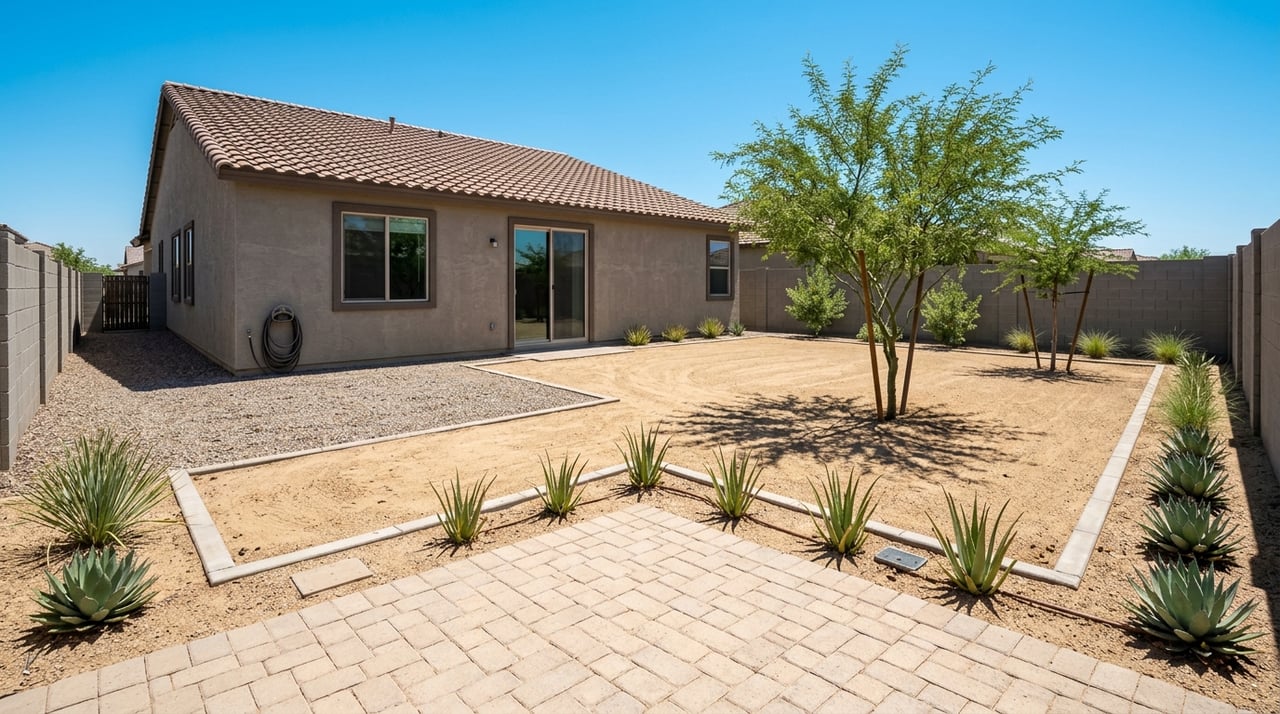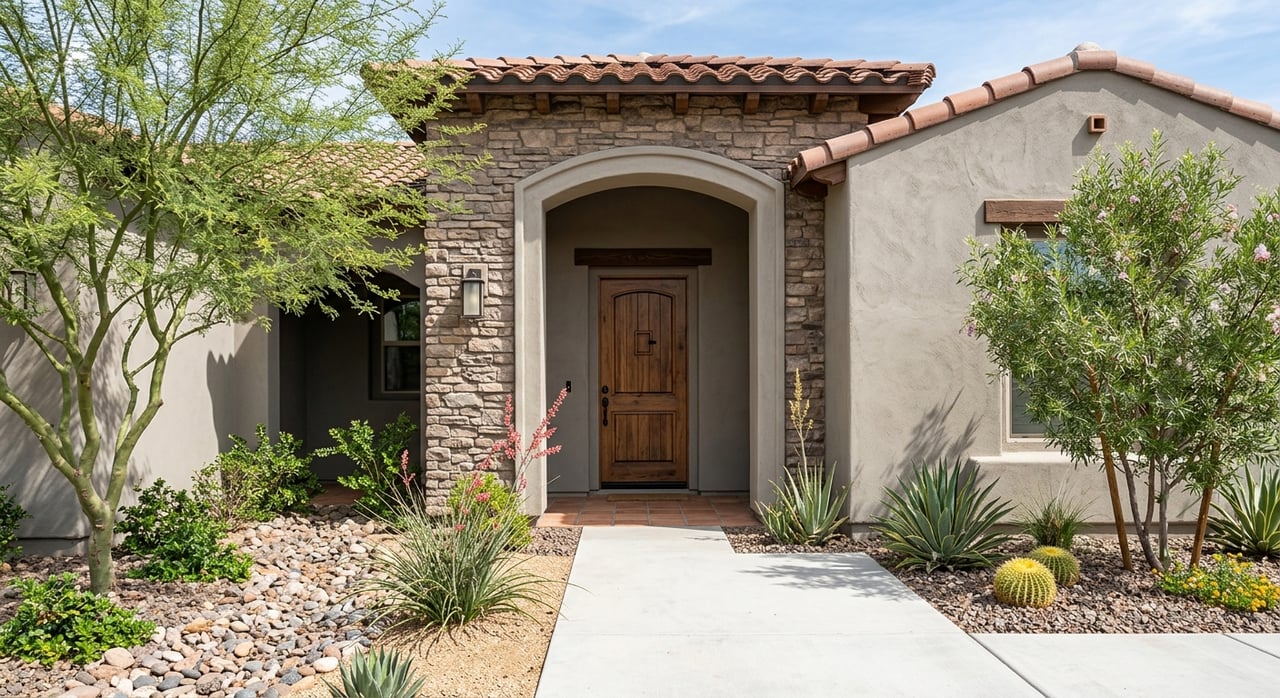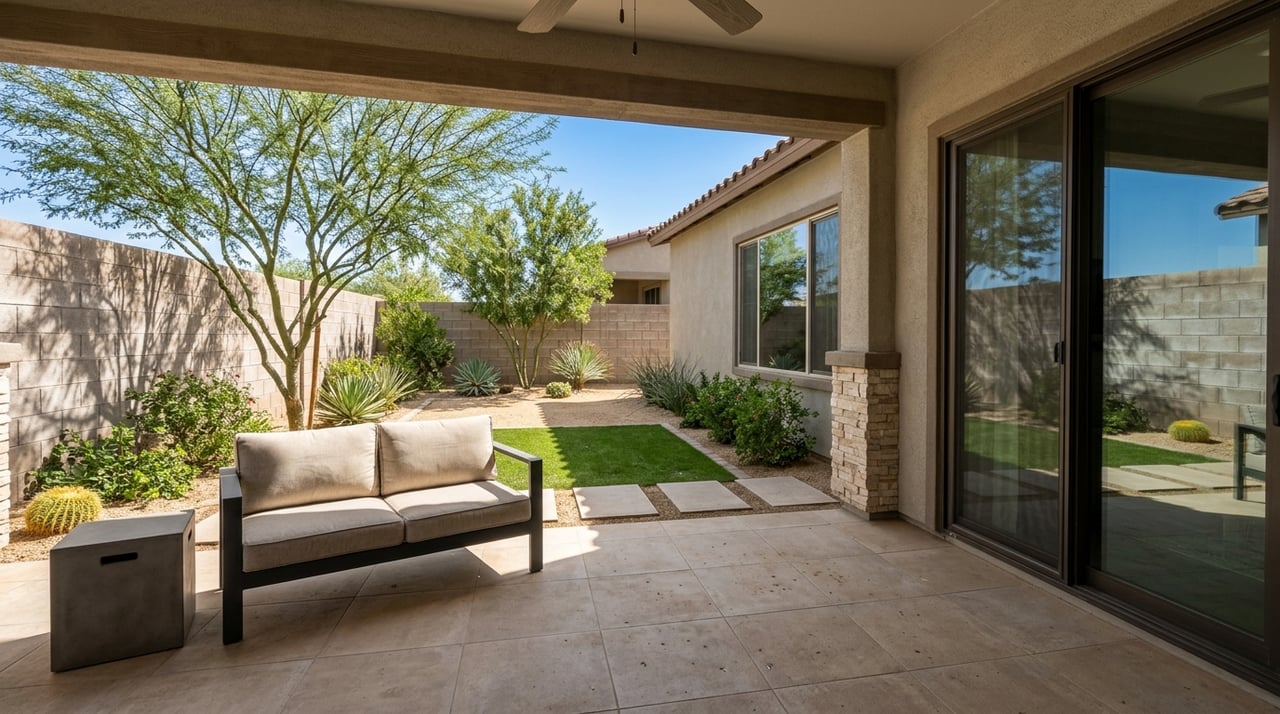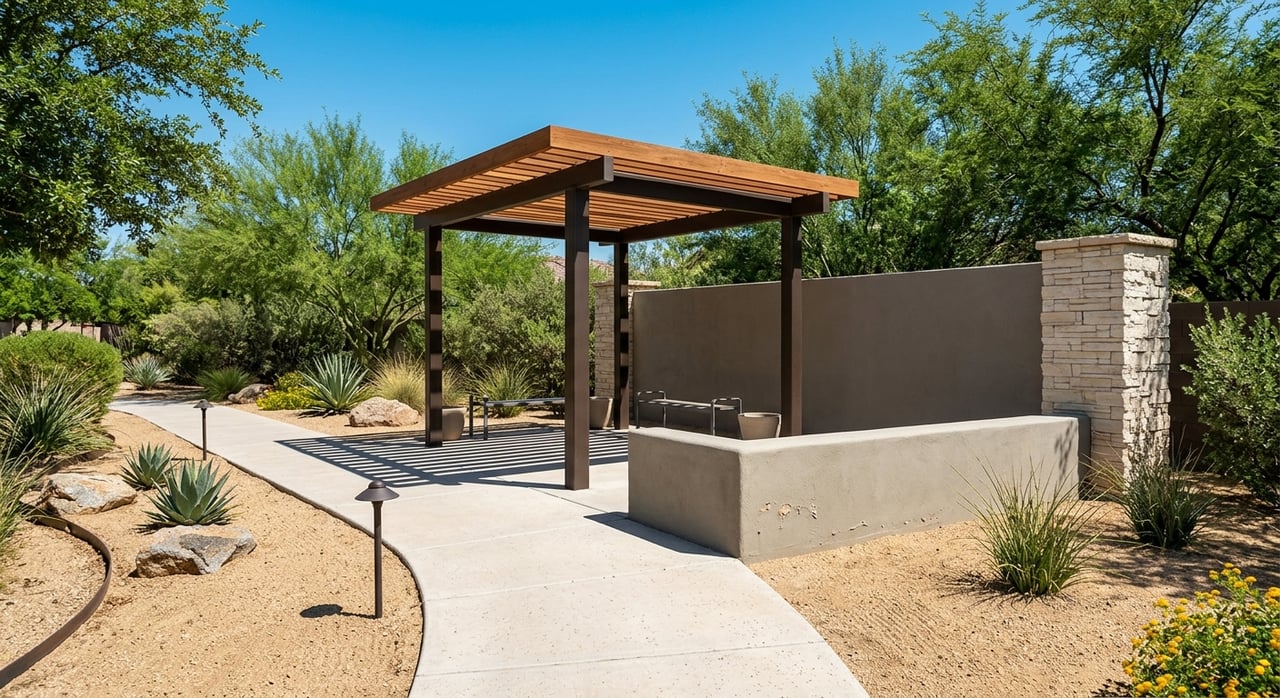
If you love the idea of trails, shared green space, and a more coordinated neighborhood feel, Gilbert’s master-planned communities can be very appealing. But HOA living also comes with rules, fees, and approval processes that can shape your day-to-day experience. If you are trying to decide what fits your lifestyle, this guide will help you understand how master-planned living and HOAs work in Gilbert and what to review before you buy. Let’s dive in.
What master-planned living means in Gilbert
In Gilbert, master-planned living usually means more than just a subdivision with similar homes. These communities are typically designed with a broader layout that includes shared open space, trails, recreation areas, and a stronger design framework.
Gilbert’s planning documents show how this works at the local level. The Town’s General Plan describes Morrison Ranch as a 1,527-acre mixed-use master-planned community with tree-lined streets, trails, reclaimed-water landscaping, and HOA-maintained common areas.
Arizona law uses the term planned community for a development where an association manages, maintains, or improves property. In those communities, owners are mandatory members and pay assessments. That structure is a big reason master-planned neighborhoods often feel more coordinated than non-HOA areas.
Common Gilbert community examples
Gilbert has several well-known examples of master-planned living, and each one highlights a slightly different style of community setup.
Morrison Ranch features
Morrison Ranch is noted in Gilbert’s General Plan for its connected trails, sidewalks, and open spaces. The planning documents also point to HOA responsibility for landscape, recreation, and common-area maintenance.
Power Ranch setup
Power Ranch describes itself as a master-planned community made up of 12 neighborhoods. It also uses a design-review system for exterior and landscape changes, which gives buyers a good example of how HOA oversight can work in practice.
Power Ranch materials also describe more than 26 miles of trails, neighborhood parks, and community pools. For many buyers, that mix of amenities is a major part of the appeal.
The Bridges at Gilbert amenities
The Bridges emphasizes outdoor recreation and shared gathering spaces. Its community information highlights trails, lakes and streams, parks, playgrounds, splash pads, sports courts, and catch-and-release fishing.
Val Vista Lakes structure
Val Vista Lakes offers another version of master-planned living. Community materials describe a 900-acre master-planned setting with lakes, clubhouse amenities, tennis, racquetball, pools, and fitness facilities.
How HOA structures usually work
One of the most important things to know in Gilbert is that HOA structure is not always simple. In many master-planned communities, you may have a master association and, in some cases, an additional sub-association or service area.
Power Ranch is a clear example of this layered setup. Homeowners are members of the master association, and some homes also belong to a special service area with an added assessment.
Val Vista Lakes shows another common pattern. A larger master association can exist alongside smaller community associations within the same overall development.
That means when you compare homes, it is smart to ask not just whether there is an HOA, but how many association layers apply to that specific property.
What HOA dues may cover
HOA dues can pay for a wide range of shared costs, depending on the community. In Gilbert master-planned neighborhoods, that can include common-area landscaping, irrigation, pools, trails, parks, management, and reserve funding.
The exact mix will vary by neighborhood and by association layer. That is why the current budget and reserve information matter so much when you are reviewing a resale purchase.
If you are comparing two similar homes with different dues, the difference may come down to what is included. One community may offer more private amenities, while another may rely more on Gilbert’s public parks and recreation options.
Arizona HOA protections buyers should know
Arizona law gives buyers and owners several important protections in planned communities. These rules can help you better understand how assessments, meetings, and records should be handled.
Here are a few key points from Arizona law:
- Regular assessments generally cannot increase by more than 20% over the prior fiscal year without majority approval, unless the community documents set a lower limit.
- Late fees generally require notice.
- Monetary penalties require notice and an opportunity to be heard.
- Associations must hold open meetings and provide advance agendas.
- Members can access association records within 10 business days.
These protections do not remove the need to read the community documents. They do, however, give you a clearer framework for how a planned community should operate.
Resale and new-build document review
The documents you review will depend on whether you are buying a resale home or a new-construction home.
Resale HOA disclosures
For resale purchases, Arizona law requires the association to provide key disclosure items. These include the declaration, bylaws, rules, current operating budget, most recent annual financial report, reserve study if one exists, and a summary of pending lawsuits.
The same law caps disclosure and lien-estoppel related fees at an aggregate of $400, with limited rush and update fees. That gives buyers a clearer expectation for common document-related charges during resale transactions.
New-construction Public Report
For new construction, the Arizona Department of Real Estate says a Public Report must be provided before you sign the purchase contract. That report covers items such as common or recreation facilities, taxes and assessments, utility service, and HOA details.
If you are buying in a new Gilbert community, this is especially important. It gives you a chance to compare the home purchase terms with the community-level obligations before you commit.
Amenities versus flexibility
One of the biggest decisions is whether you value amenities and consistency more than flexibility. Master-planned communities often offer a more predictable look and feel because landscaping, common areas, and design standards are maintained at a community level.
That predictability can be a real benefit if you want access to pools, trails, parks, lakes, or clubhouse amenities close to home. It can also make the neighborhood feel more visually consistent from block to block.
The tradeoff is that you usually have less freedom with exterior decisions. Depending on the community, updates to paint, roofs, fences, solar equipment, landscaping, play structures, garage doors, signage, and yard materials may require approval before work begins.
Power Ranch’s design guidelines are a strong example of how detailed those standards can be. For some buyers, that structure feels helpful. For others, it may feel restrictive.
HOA versus non-HOA living in Gilbert
If you are deciding between an HOA area and a non-HOA area, it helps to think about your priorities in practical terms.
Benefits of HOA neighborhoods
HOA communities often appeal to buyers who want:
- Maintained common areas
- Shared recreational amenities
- More consistent exterior standards
- A coordinated neighborhood layout
- Predictable community upkeep
Benefits of non-HOA areas
Non-HOA neighborhoods may be a better fit if you prefer:
- More freedom with exterior choices
- No mandatory association dues
- Fewer approval steps for property changes
- More direct control over upkeep decisions
In Gilbert, private HOA amenities are not your only option for recreation. The town also offers public amenities, including the Riparian Preserve at Water Ranch, which features a 110-acre wetland, trails, a fishing lake, a floating boardwalk, a children’s play area, and the Gilbert Rotary Centennial Observatory.
Gilbert’s broader parks and trail system also gives buyers another way to enjoy outdoor space without paying for private community features through HOA dues.
Questions to ask on a home tour
When you tour a home in a Gilbert master-planned community, try to look beyond the model-home feel or the curb appeal. The goal is to understand the rules, costs, and obligations attached to that address.
Use this checklist as you compare properties:
- Is the home part of a master association, a sub-association, or both?
- How many separate assessments apply to the property?
- What do the dues pay for?
- Are there planned increases or special assessments?
- Is there a reserve study, and what does it show?
- What exterior changes require approval?
- How long does the design-review process take?
- Are there application fees for changes?
- Are there rules that affect rentals, parking, yard equipment, play structures, pets, or signs?
- If it is new construction, have you reviewed the Arizona Public Report before signing?
These questions can help you avoid surprises and compare communities on more than just price and square footage.
How to choose the right fit
The right choice depends on how you want to live. If you want trails, recreation, maintained common areas, and a more uniform neighborhood setting, a master-planned HOA community in Gilbert may be a strong fit.
If flexibility matters more, a lighter-HOA or non-HOA area may feel better for the long term. The key is knowing exactly what you are trading for the dues you pay and the rules you agree to follow.
A careful review of the association structure, budget, rules, and amenities can make a big difference in how confident you feel before closing. That is especially true in Gilbert, where community setup can vary a lot from one neighborhood to the next.
If you want help comparing Gilbert neighborhoods, reviewing HOA documents, or weighing resale versus new construction, April Shumway can help you make a more informed move.
FAQs
What is a planned community in Gilbert, Arizona?
- In Gilbert, a planned community generally refers to a development where an association manages, maintains, or improves property, and homeowners are required members who pay assessments under Arizona law.
What makes a master-planned community different from a regular subdivision in Gilbert?
- A master-planned community in Gilbert usually has a more coordinated design, shared open space, common amenities, trails, and HOA-managed features rather than functioning as a standalone subdivision with fewer shared elements.
Can a Gilbert home have more than one HOA?
- Yes. Some Gilbert communities use layered association structures, such as a master association plus an additional sub-association or special service area with separate assessments.
What documents should you review for a Gilbert resale home in an HOA?
- For a Gilbert resale purchase, Arizona law requires access to documents such as the declaration, bylaws, rules, current operating budget, most recent annual financial report, reserve study if available, and a summary of pending lawsuits.
What should you review before buying new construction in a Gilbert master-planned community?
- Before signing a new-construction contract in Gilbert, you should review the Arizona Public Report and compare it with the HOA documents so you understand the community amenities, assessments, utilities, and owner obligations.
Do HOA rules in Gilbert often cover exterior changes?
- Yes. In many Gilbert master-planned communities, exterior and landscape changes may require prior approval, and rules can cover items like paint, fences, roofs, solar equipment, play structures, garage doors, signage, and yard materials.
Are HOA amenities the only way to access recreation in Gilbert?
- No. Gilbert also offers public recreation options, including the Riparian Preserve at Water Ranch and the town’s broader parks and trail system, so buyers can compare private amenities with public access options when choosing a neighborhood.