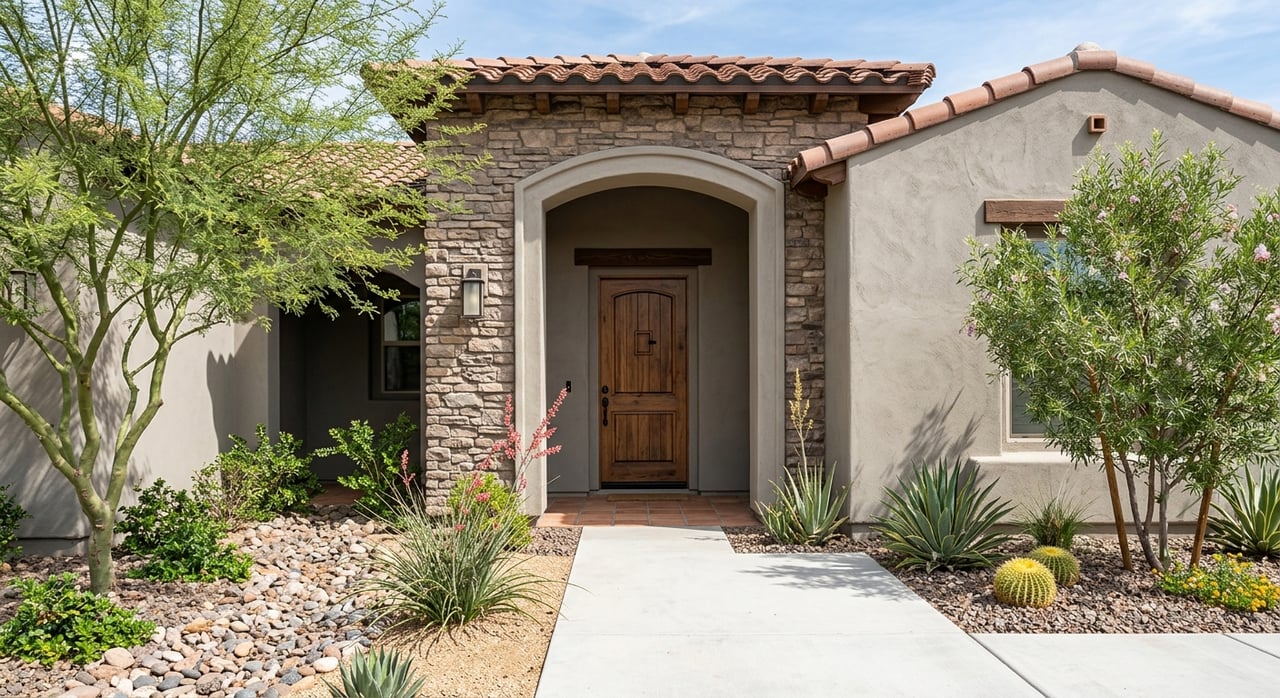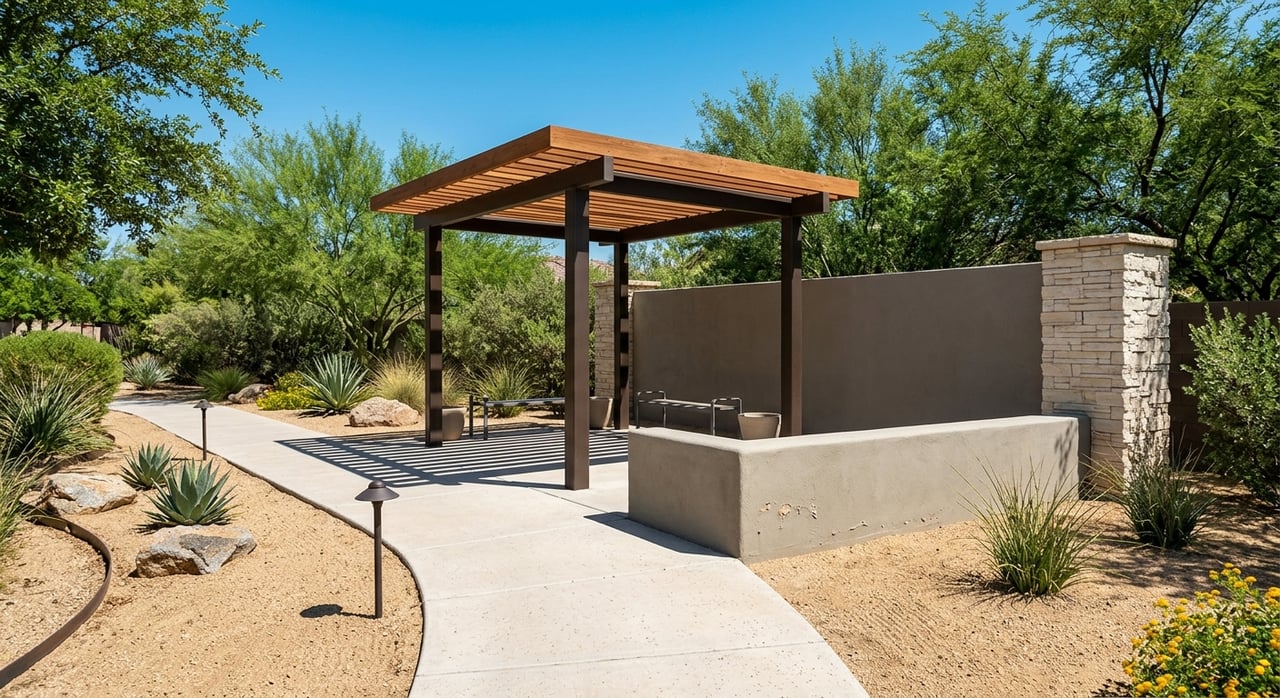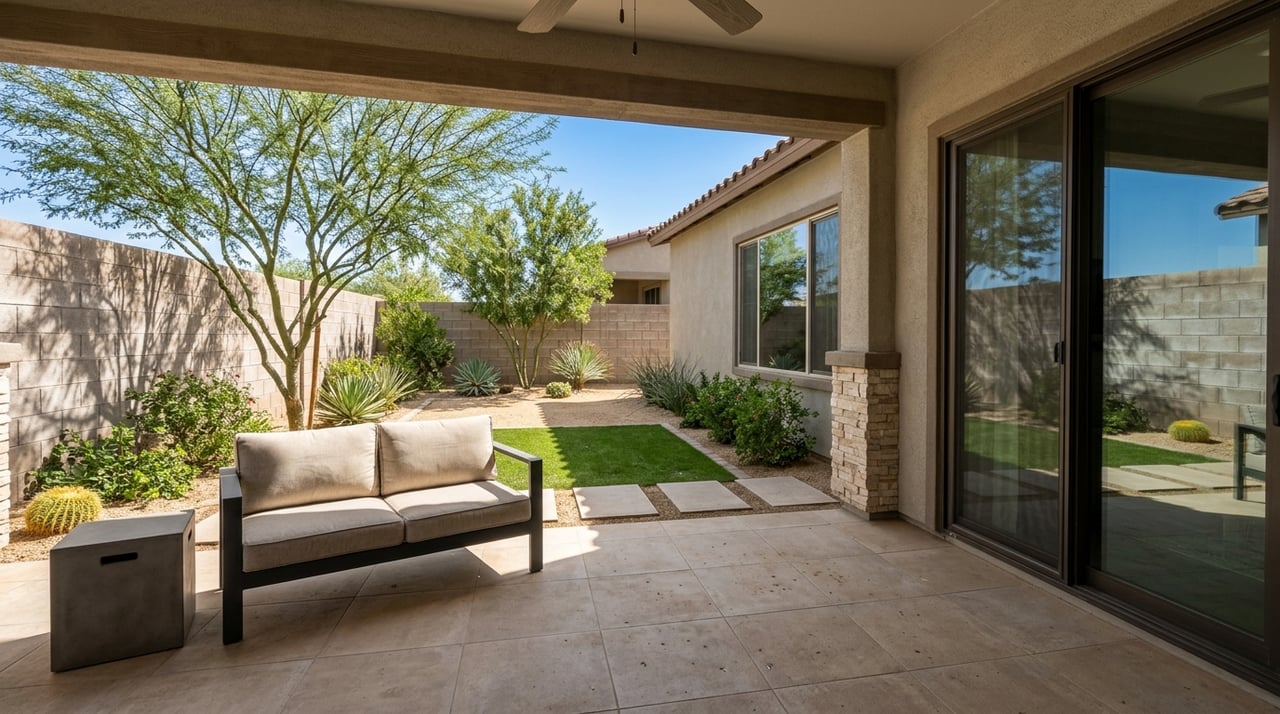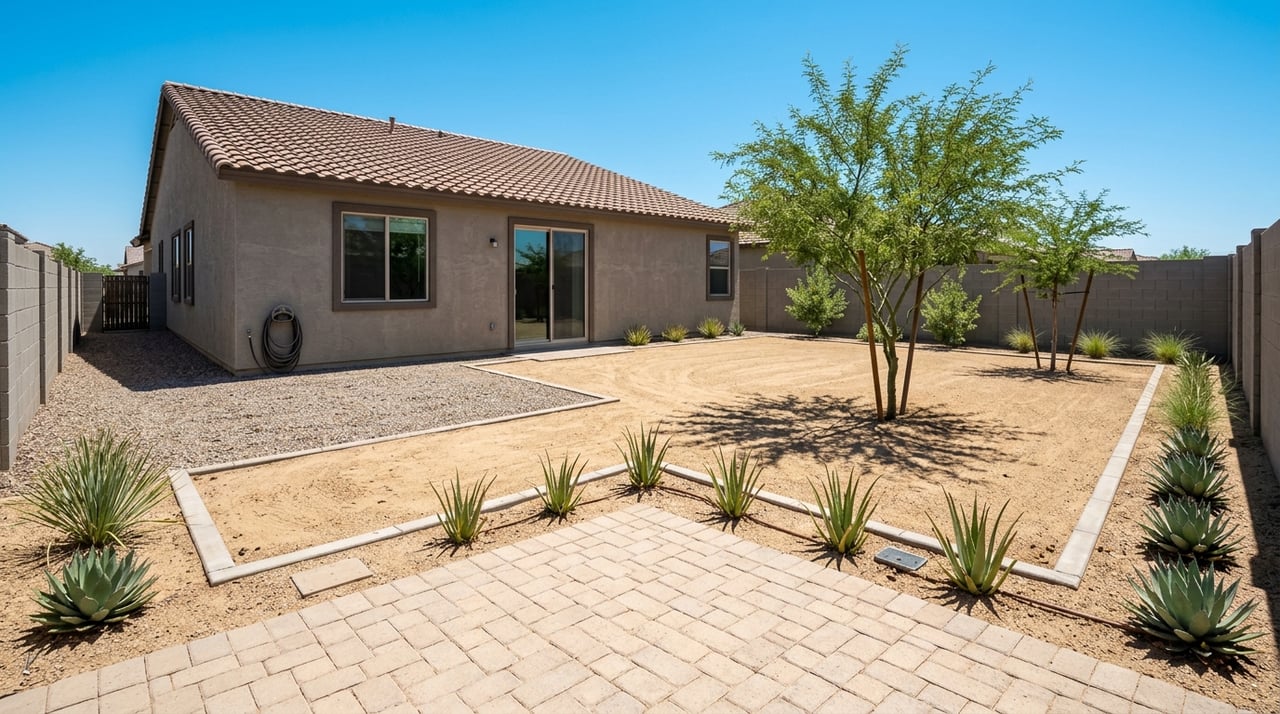
Are you dreaming about more elbow room in Queen Creek? A larger lot can give you space for outdoor living, storage, hobbies, and future projects, but it also comes with extra planning and upkeep. If you are considering a home with more land, it helps to know how Queen Creek defines larger lots, what the town allows, and what daily ownership really feels like. Let’s dive in.
What Counts as a Larger Lot?
In Queen Creek, a “larger lot” is not just a feeling. The town’s zoning code uses specific lot-size categories that help shape what you can build and how the property can be used.
Rural and lower-density districts include:
- A-1: 10 acres per dwelling unit
- R1-190: 5 acres
- R1-145: 3 1/3 acres
- R1-108: 2 1/2 acres
- R1-54: 1 1/4 acres
- R1-43: 1 acre
The town also notes that R1-43 serves as a transition district between rural and urban uses. Suburban districts begin at 35,000 square feet or 18,000 square feet per dwelling unit, so “larger lot” can mean different things depending on the area and zoning.
That matters because Queen Creek is intentional about preserving its small-town rural character as the community grows. If you are shopping for space, the zoning on a specific parcel is one of the first things to review.
Why Larger Lots Appeal to Buyers
The biggest draw is simple: you get more usable outdoor space. In Queen Creek, that can mean room for a patio cover, ramada, detached garage, workshop, pool house, barn, shed, or similar accessory structure, depending on the property and applicable rules.
For many buyers, that extra flexibility changes how a home functions day to day. You may have more room for storage, parking, gardening, outdoor entertaining, or future improvements that would be tough to fit on a smaller lot.
Larger lots can also create a stronger sense of separation from neighboring homes. In general, lower-density districts offer more breathing room, though privacy still depends on setbacks, lot shape, corner placement, fencing, and what surrounds the property.
What Daily Life Really Looks Like
More land usually means more responsibility. Before you fall in love with the extra space, it helps to picture how much time, money, and attention the property may need.
Maintenance Takes More Planning
A larger yard often means more irrigation, more trimming, more cleanup, and more seasonal work. In Queen Creek’s climate, outdoor maintenance is not just about appearance. It is also about water use and heat management.
The town offers a turf-conversion incentive of $2 per square foot, up to $5,000, for replacing at least 500 square feet of healthy turf with low-water-use landscaping. Queen Creek also offers Water-Smart workshops focused on irrigation design, watering, drip maintenance, and heat-resistant desert landscaping.
That tells you something important about owning a bigger lot here. In Queen Creek, outdoor space often works best when it is designed with water efficiency in mind.
Heat and Rain Both Matter
Queen Creek ownership means planning for a hot, dry climate with a monsoon season that can turn intense quickly. NOAA climate normals for the Phoenix area show an average annual temperature of 75.6 F and average annual rainfall of 7.22 inches, while the Arizona State Climate Office notes that monsoon storms can bring heavy rain, lightning, hail, dust storms, strong winds, and flash flooding.
On a larger lot, that usually means you will want to think carefully about shade, drainage, and where water goes during storms. Bigger properties often leave more room for improvements, but they can also create more surface area to manage.
Water Awareness Is Part of Ownership
Queen Creek states that current residential water customers have a certificate of 100-year assured water supply through groundwater while the town continues working to diversify supply and reduce reliance on groundwater. For buyers, that is a good reminder that water is part of the local ownership conversation.
In practical terms, you may want a landscape plan that balances comfort, appearance, and efficient water use. This can be especially important if you are considering grass, animal areas, or several outdoor features that need regular watering.
Standing Water Needs Attention
Summer heat and monsoon rains can create mosquito breeding conditions. Queen Creek specifically warns residents to monitor standing water in places like birdbaths, fountains, livestock water, and similar areas.
If you own a larger lot, small maintenance tasks can add up quickly. Keeping water features, drainage areas, and outdoor containers in check is part of living comfortably on more land.
What You Can Build on a Larger Lot
One of the best parts of buying a larger lot is the potential to make the property work harder for you. Still, Queen Creek’s code is flexible, not unlimited.
Accessory Buildings Are Often Possible
Detached accessory buildings are common on larger lots, but placement rules still apply. In Queen Creek, detached accessory buildings cannot be placed in the required front-yard setback, may occupy up to 30% of the rear-yard setback area, and receive an additional 5% maximum lot coverage that is reserved for detached accessory buildings.
In rural districts, detached accessory buildings do not have to match the home’s architecture, though the town says the colors should be consistent. That can give you more design flexibility for a workshop, storage building, detached garage, or similar structure.
ADUs Are Allowed With Conditions
Accessory dwelling units are another common question for larger-lot buyers. Queen Creek allows one attached or one detached ADU per single-family lot, but the unit must meet setback and lot-coverage rules, be permanently affixed to a foundation, and include water, sewer, and electric service.
The town also states that no additional parking spaces are required for an ADU. Even so, the property still needs to work physically and legally for that use, so parcel-specific review is important.
Fences and Screening Matter
If privacy is a top priority, fence rules are worth reviewing early. On areas outside the required front-yard setback, fences may be up to 6 feet tall. Anything above 6 feet requires design by an Arizona-registered structural engineer and town approval.
Queen Creek’s code also includes setback, screening, and sight-distance rules. So while a larger lot can feel more private, fence placement and design still shape how private it actually feels.
RVs, Boats, and Extra Storage
For many buyers, a larger lot is partly about parking flexibility. If you own an RV, trailer, boat, or larger vehicle, Queen Creek’s storage rules are especially relevant.
The town requires long-term RV storage to be behind the required front setback and screened with masonry fence walls, solid gates, and landscaping. The code provides more flexibility in larger-lot residential districts than in smaller-lot districts, which can be a real advantage if you need extra space.
This is one area where lot size alone does not tell the full story. Layout, setbacks, gates, screening requirements, and any HOA rules can all affect whether a property fits your needs.
Animals and Rural Lifestyle Uses
Large-lot living in Queen Creek often raises questions about chickens, roosters, and other animals. The short answer is that the rules are lot-size dependent.
Queen Creek’s zoning ordinance allows more chickens on larger parcels, allows roosters only on lots one acre and larger, and shows no animal-unit limit for lots that are 43,560 square feet and larger. The code also states that swine are only permitted on lots 43,560 square feet or larger.
The town also approved a 2026 amendment that expands flexibility for animals on large-lot properties, including permission for swine on lots one acre and larger and requirements related to pasture access and shade. That aligns with Queen Creek’s stated goal of preserving its agricultural heritage.
At the same time, more rural use does not mean fewer standards. The code still prohibits nuisance conditions such as offensive odors, standing water, and unsanitary animal areas.
If you are considering a property for outdoor animals or similar uses, it is smart to confirm all applicable town rules, any county requirements, and any HOA restrictions before you move forward. In Queen Creek, those layers can all matter.
HOA Rules Can Still Change the Picture
A larger lot does not automatically mean total freedom. Queen Creek’s own information notes that HOAs and CC&Rs may add restrictions on accessory structures, and homeowners are responsible for HOA approval on turf-conversion projects.
That means two homes with similar lot sizes can offer very different flexibility depending on the community. If you are comparing properties, reviewing both zoning and HOA rules early can save you time and frustration.
Why Parcel Location Matters in Queen Creek
Queen Creek spans both Maricopa County and Pinal County, which means two homes in the same town can sit in different county jurisdictions. Parcel-by-parcel location matters.
That does not change the value of a larger lot, but it does add another layer to your due diligence. When you are evaluating a property, local details matter more than broad assumptions.
How to Shop Smart for a Larger Lot
If you are serious about buying a larger lot in Queen Creek, focus on how you plan to use the property, not just how big it is. A lot that looks great on paper may function very differently depending on zoning, setbacks, improvements, drainage, and restrictions.
As you compare homes, keep these questions in mind:
- What is the exact zoning designation?
- How much of the lot is truly usable?
- Are there existing structures, gates, or layouts that support your goals?
- What maintenance will the landscaping require?
- Are there HOA or CC&R restrictions?
- If you want an ADU, shop, barn, or RV area, does the parcel appear to support it?
- Is the property in the Maricopa or Pinal County portion of Queen Creek?
A larger lot can be a great fit if you want flexibility, breathing room, and a more custom way of living. The key is making sure the property supports your plans before you buy.
If you want help comparing larger-lot homes in Queen Creek, understanding how zoning affects usability, or weighing resale versus new-construction options, April Shumway can help you make a confident move.
FAQs
What is considered a larger lot in Queen Creek?
- In Queen Creek, larger lots are best understood through zoning categories such as R1-43 at 1 acre, R1-54 at 1 1/4 acres, R1-108 at 2 1/2 acres, R1-145 at 3 1/3 acres, R1-190 at 5 acres, and A-1 at 10 acres per dwelling unit.
Does a larger lot in Queen Creek automatically mean more privacy?
- Usually it offers more separation than a smaller lot, but privacy still depends on setbacks, lot layout, fencing rules, corner placement, and nearby development.
Can you build a shop or detached garage on a larger lot in Queen Creek?
- Often yes, but accessory buildings must still follow Queen Creek rules for setbacks, lot coverage, placement, permits, and any HOA restrictions.
Can you add an ADU on a larger lot in Queen Creek?
- Queen Creek allows one attached or one detached ADU per single-family lot if it meets setback and lot-coverage rules, is permanently affixed to a foundation, and has water, sewer, and electric service.
Is maintenance harder on a larger lot in Queen Creek?
- In many cases, yes, because more land usually means more irrigation planning, landscaping work, drainage awareness, and seasonal upkeep in Queen Creek’s hot, low-rainfall climate.
Are animals allowed on larger lots in Queen Creek?
- Some animals are allowed based on lot size, with rules that vary for chickens, roosters, swine, and other uses, and owners still need to avoid nuisance conditions and check town, county, and HOA requirements.