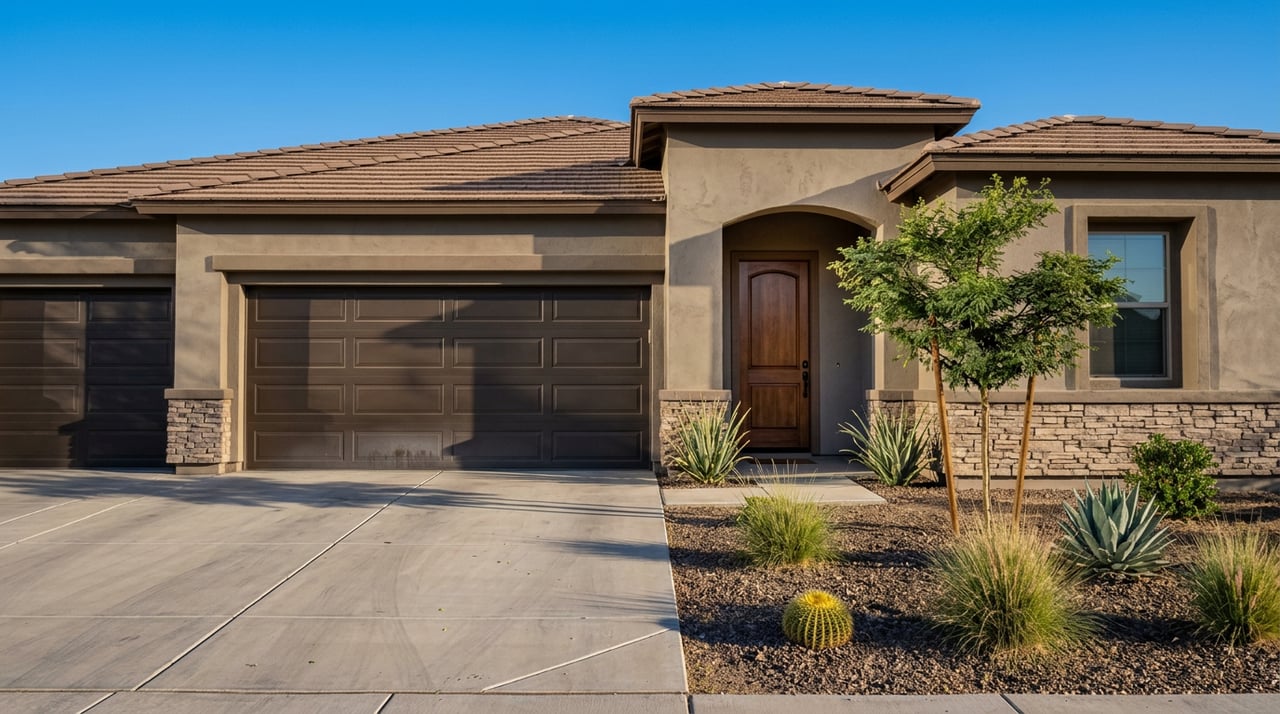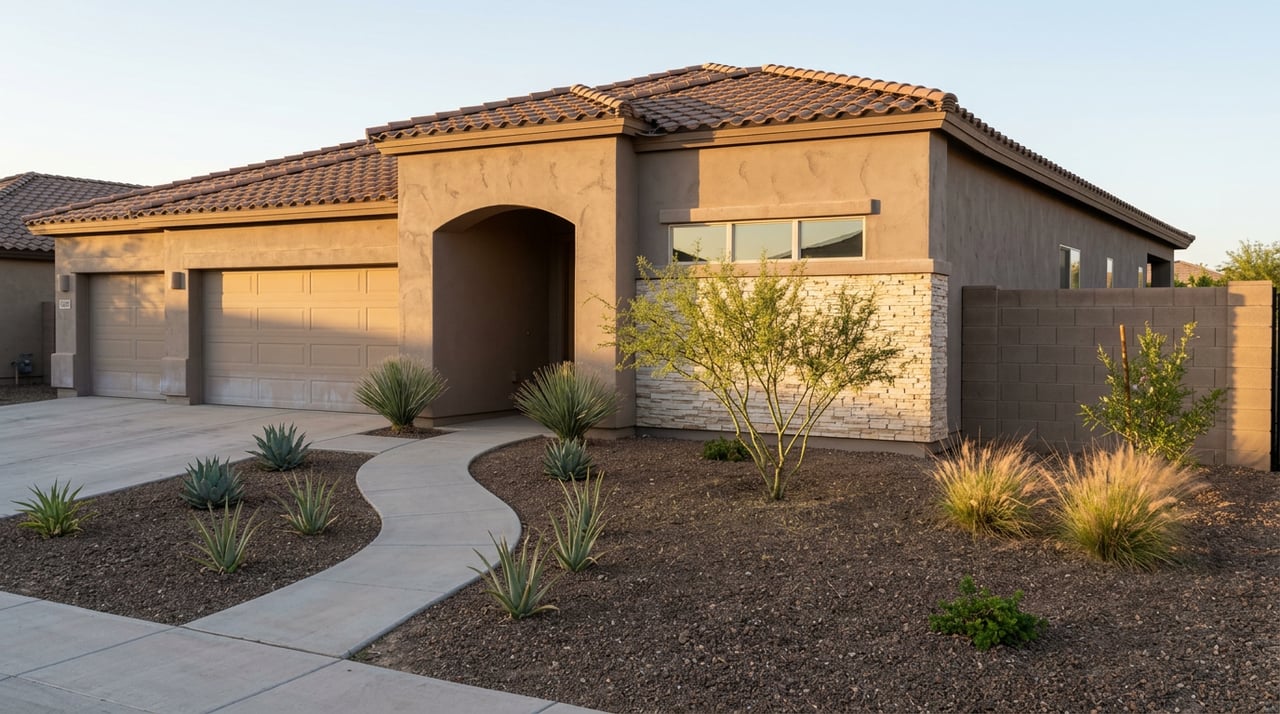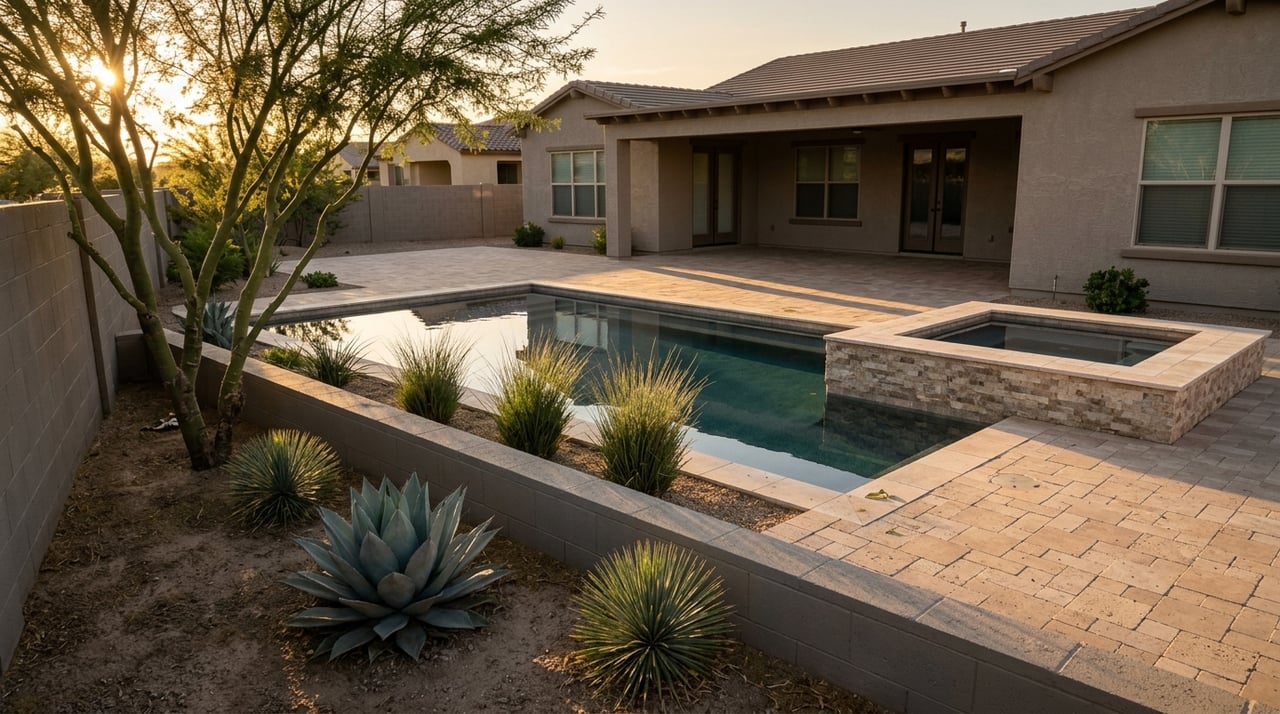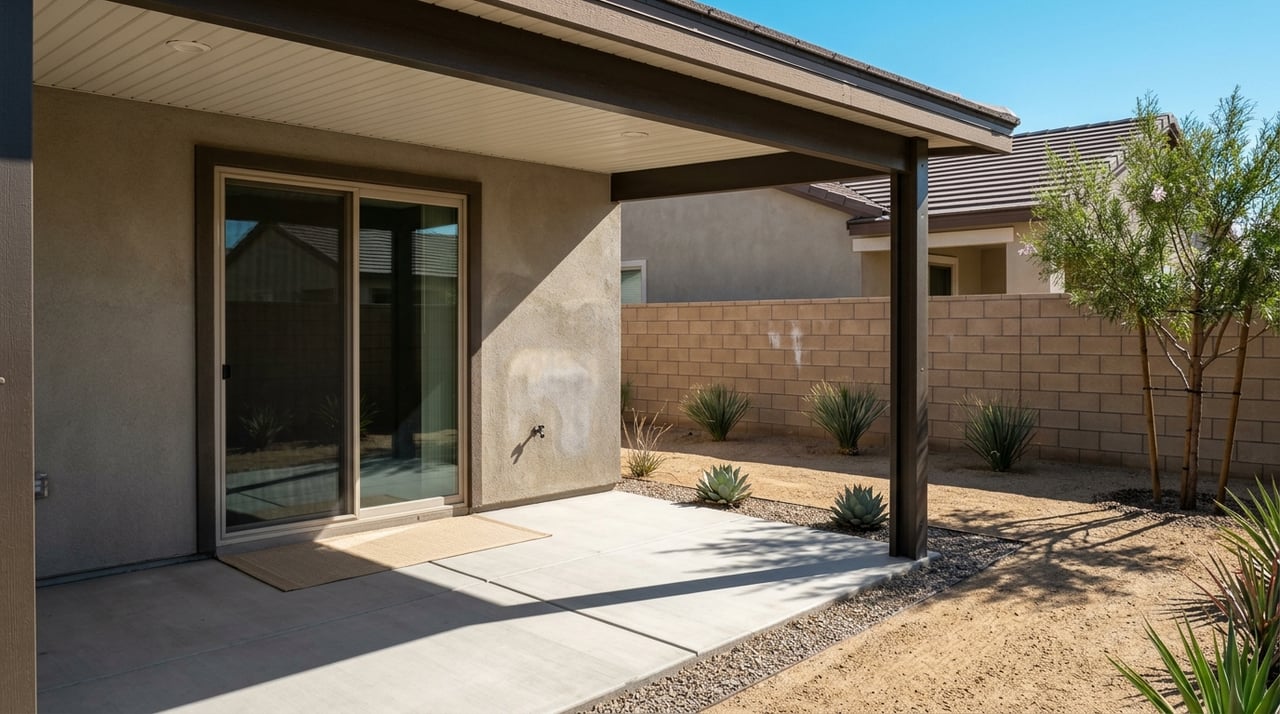
Thinking about buying a brand-new home in Casa Grande? You are not alone. With the city’s population estimated at 68,927 as of July 1, 2024, up 28.5% from 2020, Casa Grande has become an important place for buyers who want newer homes, growing neighborhoods, and a location between Phoenix and Tucson. If you are considering new construction here, it helps to know that the process can look very different from buying a resale home. In this guide, you will learn what to watch for, what questions to ask, and how to make more confident decisions from your first visit to closing. Let’s dive in.
Why Casa Grande Draws New-Construction Buyers
Casa Grande continues to stand out because of both growth and location. The city sits near the junction of Interstates 10 and 8, which helps connect residents to larger job and travel corridors in Arizona.
For buyers, that growth often means more subdivision activity and more opportunities to compare floor plans, lot sizes, and builder offerings. It also means you should look carefully at the bigger picture around any community you are considering, especially if nearby land is still vacant.
New Build vs. Resale
A new-construction home can offer features many buyers want, such as newer systems, modern layouts, and the chance to personalize some finishes. That said, the trade-off is usually a longer, more contract-driven process with more decisions made upfront.
Unlike a resale purchase, a new build may require early choices about deposits, lender options, upgrades, and timelines before the home is complete. If you go in expecting the same process as a traditional resale, it can feel overwhelming fast.
Review the Arizona Public Report First
One of the most important Arizona-specific steps is reviewing the subdivision Public Report before you sign a purchase contract. The Arizona Department of Real Estate requires this report for subdivision home sales.
The Public Report can include details about flooding and drainage, adjacent land uses, utility providers, common facilities, completion assurances, local services, taxes, assessments, and HOA information. That is valuable because it gives you a clearer view of both the home and the surrounding community.
Just as important, ADRE notes that not all information in the report is independently verified. That means you should treat it as a starting point for due diligence, not the final word.
Understand Reservation Deposits and Earnest Money
Money due upfront is one of the biggest areas of confusion in new construction. The exact amount and timing can vary by builder and by whether the builder is using Arizona’s lot-reservation program.
If a builder is using the Arizona lot-reservation program, the reservation deposit for a single lot or parcel cannot exceed $5,000. That deposit must be delivered to escrow within one business day, and you can cancel before signing a purchase contract. If the reservation is terminated, the deposit must be refunded within five business days.
The ADRE form also gives you seven business days after receiving the Public Report and proposed purchase contract to enter into a contract, or the reservation ends automatically. Outside that reservation structure, a builder may ask for a builder deposit or earnest money, and the return terms depend on the contract.
Before you hand over funds, ask these questions clearly:
- What is due at reservation?
- What is due when I sign the contract?
- Is my deposit held in escrow or by the builder?
- Under what conditions is the deposit refundable?
These are not small details. In new construction, the contract often controls what happens if financing changes, the appraisal comes in low, or you decide not to move forward.
Check the Lot and Surrounding Land
In a fast-growing area like Casa Grande, lot selection is about more than just the home itself. ADRE advises buyers to inspect the lot and review nearby zoning, adjacent land uses, route plans, school district service, and any CC&Rs or HOA restrictions before signing.
This matters because vacant land nearby may not stay vacant. What looks quiet today could later become commercial space, apartments, or industrial development, depending on planning and zoning.
When you tour a homesite, pay attention to more than the model-home finishes. Look at road access, lot orientation, drainage patterns, neighboring uses, and how the homesite fits into the broader subdivision plan.
Expect a Different Timeline
Many buyers are surprised by how many moving parts affect a new-build schedule. A national builder example shows an average build time of about four to five months from start to completion, but actual timing can shift.
Common factors that can affect the timeline include mortgage approval, permit approval, finalized design selections, and weather. Even when a builder gives you an estimated completion window, it is smart to treat that date as a target rather than a guarantee.
If your move is tied to a lease ending, a home sale, or a job start date, build in extra cushion. A little flexibility can reduce a lot of stress.
Finalize Design Choices Early
One of the fun parts of buying new construction is the chance to personalize your home. Depending on the builder, you may be able to choose items like flooring, lighting, countertops, appliances, cabinets, paint, plumbing fixtures, and smart-home features.
But those choices often need to be finalized before construction begins. That means you may be making big design and budget decisions early in the process.
It helps to separate upgrades into categories:
- Must-have features you do not want to change later
- Nice-to-have upgrades that fit if the budget allows
- Items you can add later after closing
This simple approach can help you spend more intentionally and avoid upgrade fatigue.
Financing Still Matters
A builder’s process does not replace your normal homebuying protections. You should still approach financing with the same discipline you would use in any other purchase.
Consumer guidance recommends making the contract contingent on financing and a satisfactory inspection. It also notes that you do not have to use the builder’s affiliated lender.
That does not mean the builder’s lender is never worth considering. It means you should compare options carefully, understand the terms, and choose what works best for your goals.
Know Who Represents You
This is one of the most important things to understand before you visit a new-home community. The onsite sales team represents the builder, not you.
ADRE explains that if you visit a development without your own representative and continue through the process that way, you are not being represented by the developer’s agent. It may also affect whether a buyer’s agent can be involved later.
That is why many buyers prefer to bring their own representation from the start. Having builder-savvy guidance can help you compare lot options, review contract terms, evaluate upgrade choices, and keep your interests front and center throughout the process.
Warranties Are Helpful, But Read the Details
New construction often comes with a builder warranty, but warranty coverage is not one-size-fits-all. Terms can vary by builder, so you should ask exactly what is covered, for how long, and what is excluded.
One builder example describes warranty coverage as 10 years for structural items, 2 years for mechanical systems, and 1 year for workmanship and materials. That gives a useful picture of how warranty layers may be structured, but your community’s builder may use different terms.
Arizona also has separate consumer-protection standards through the Registrar of Contractors. ROC workmanship standards apply to new home builds within two years after close of escrow or actual occupancy, and complaints against licensed contractors for new construction must be filed within two years.
ROC also notes that defects in properly installed appliances and plumbing or electrical fixtures are generally limited to the manufacturer’s warranty. That is why it is smart to keep your builder documents, appliance paperwork, and warranty deadlines organized from day one.
Questions to Ask Before You Sign
Buying new construction in Casa Grande can be a great move, but asking the right questions early can save you money and stress later. Use this checklist during your visits and contract review:
- What money is due at reservation, at contract, and at closing?
- Is the deposit held in escrow or by the builder?
- Which upgrades are included, and which cost extra?
- How long is the estimated build window?
- What issues could delay completion?
- What warranty covers workmanship, systems, and structure?
- Can I use my own agent?
- Can I use an independent inspector?
Clear answers now can help you avoid surprises later.
Why Guidance Matters in Casa Grande
Casa Grande’s growth creates real opportunity for buyers who want a newer home and room to plan ahead. At the same time, new construction is not always as simple as choosing a floor plan and waiting for move-in day.
You are making decisions about contracts, deposits, timelines, lot placement, surrounding land use, financing, and warranties, often all at once. With the right guidance, you can sort through those decisions with more clarity and confidence.
If you are exploring new construction in Casa Grande and want local, builder-savvy advice, connect with April Shumway for a consultative approach that helps you compare options, ask sharper questions, and move forward with confidence.
FAQs
What should buyers review before signing a new-construction contract in Casa Grande?
- Buyers should review the Arizona Public Report, nearby land uses, zoning considerations, HOA or CC&R rules, deposit terms, and the purchase contract itself before signing.
What does the Arizona Public Report include for a Casa Grande subdivision home?
- The Public Report may include information about flooding and drainage, adjacent land uses, utility providers, common facilities, completion assurances, local services, taxes, assessments, and HOA details.
How much can a reservation deposit be for an Arizona new-construction lot?
- If the builder is using Arizona’s lot-reservation program, the reservation deposit for a single lot or parcel cannot exceed $5,000.
Can a buyer use their own agent when buying new construction in Casa Grande?
- Yes, buyers can use their own agent, but it is important to understand that the onsite sales team represents the builder, and bringing your own representation from the start can matter.
How long does new construction usually take in Casa Grande?
- A typical example puts average build time at about four to five months from start to completion, but timing can change based on mortgage approval, permits, finalized selections, and weather.
What warranty protections apply to a new home in Arizona?
- Warranty coverage varies by builder, and Arizona ROC workmanship standards apply to new home builds within two years after close of escrow or actual occupancy, with complaint deadlines generally within two years for licensed contractor issues.