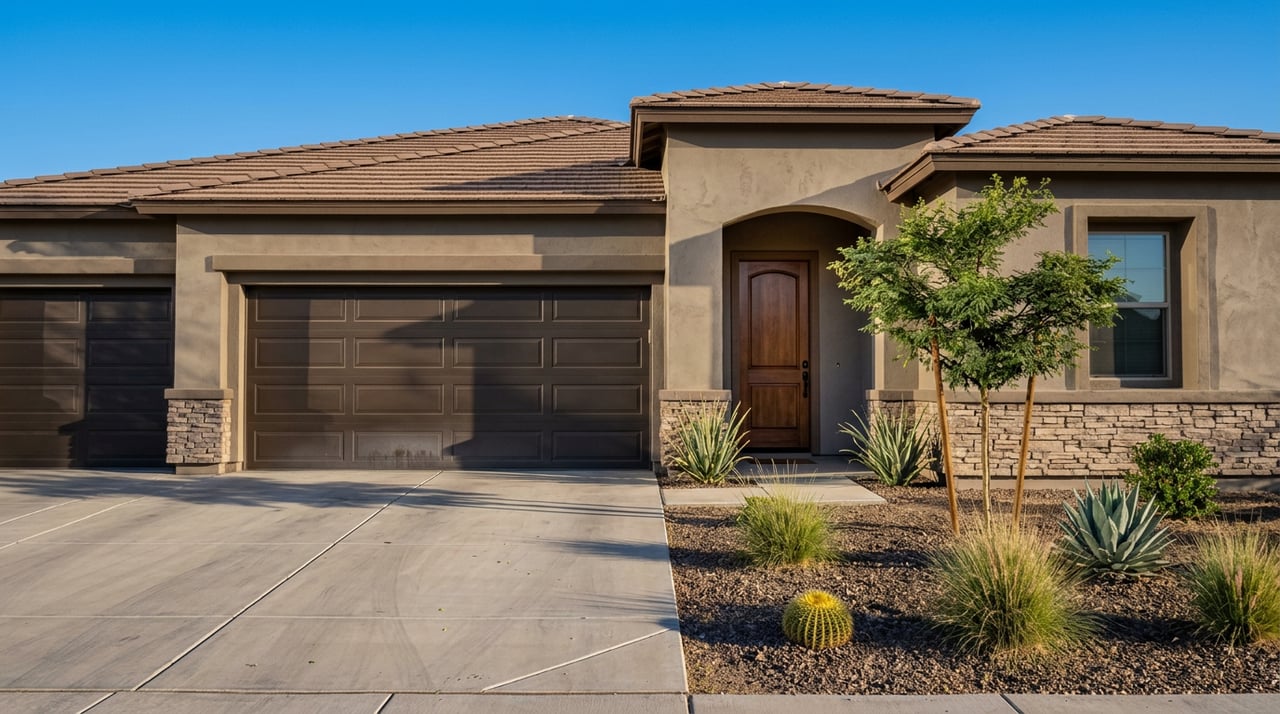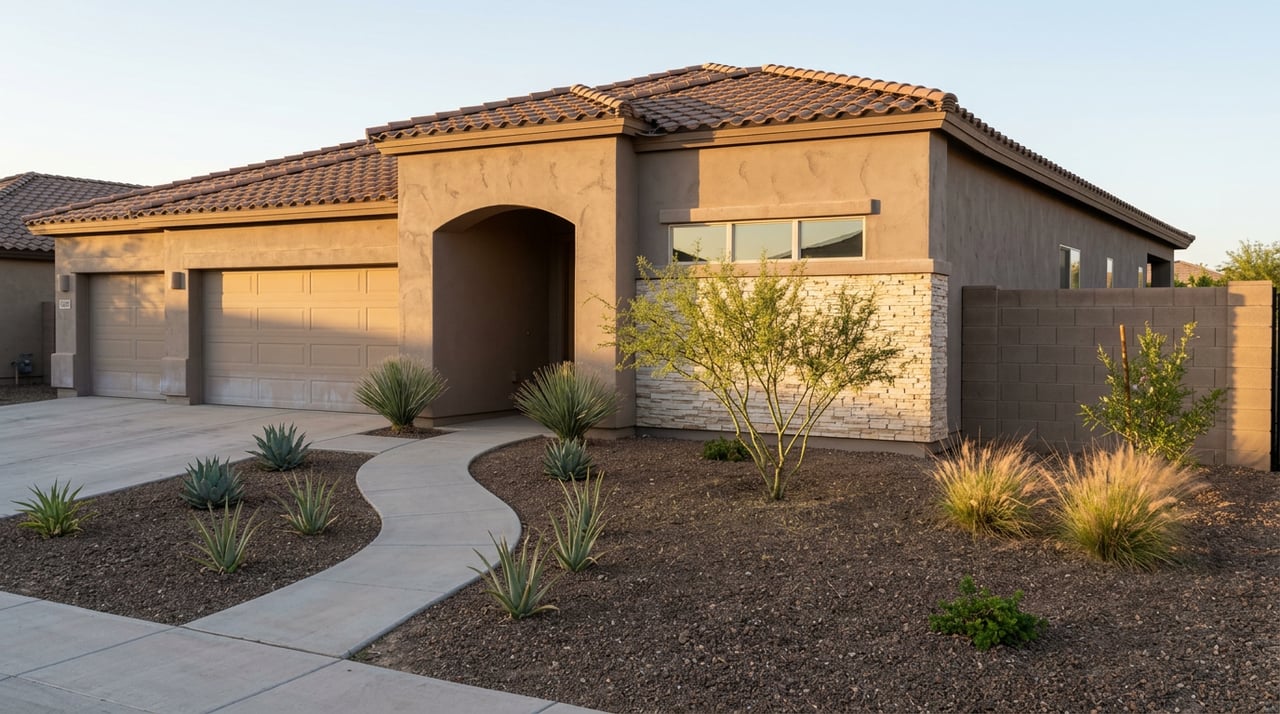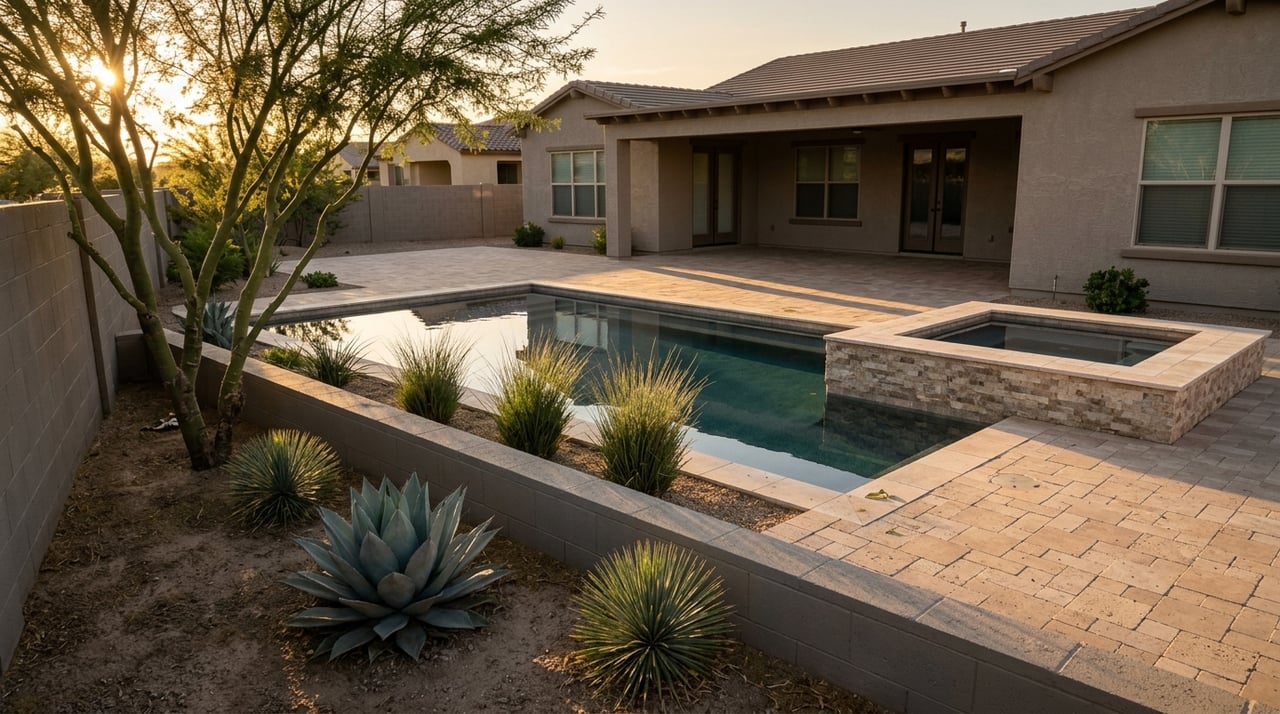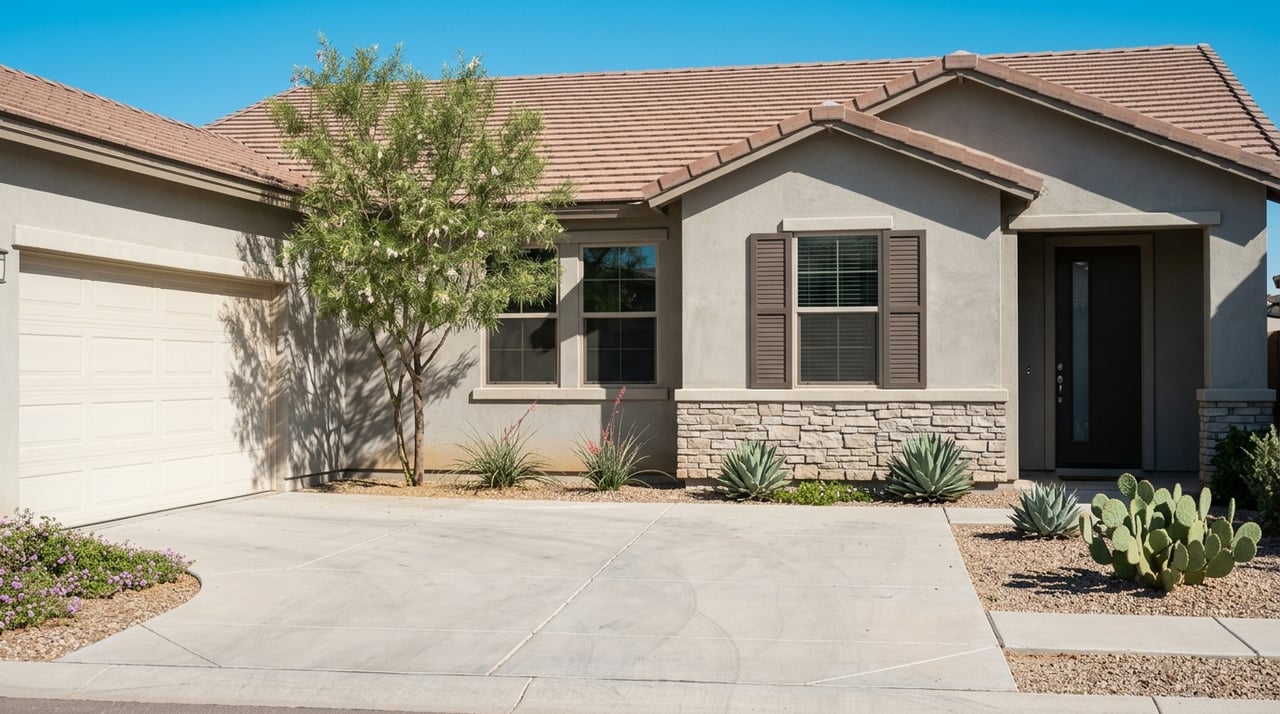
If you’re thinking about selling your Casa Grande home, timing can feel like the hardest part. You may be asking whether you should list now, wait for a better season, or make updates first before putting your home on the market. The good news is that a strong sale usually comes down to preparation, pricing, and a smart plan, not guesswork. Let’s dive in.
What the Casa Grande Market Looks Like
Casa Grande is active right now, but the data points to a market that leans toward buyers. Redfin’s Casa Grande housing market data shows a median sale price of $319K in March 2026, about 84 days to sell, and around one offer on average.
Other sources tell a similar story with slightly different measurements. Zillow reports an average home value of $319,032, homes going pending in around 48 days, and a median sale-to-list ratio of 0.986, with 59.0% of sales closing under list price and 16.5% over list price. Realtor.com also classifies Casa Grande as a buyer’s market, with about 1,000 homes for sale and a median 60 days on market, according to Redfin’s market overview.
What does that mean for you? In a buyer-leaning market, sellers usually do best when they price carefully, present the home well, and stay realistic about negotiations.
When to Sell Your Casa Grande Home
The best time to sell is usually when your home and your move plan are ready. Nationally, Zillow found that sellers who listed in the last two weeks of May in 2024 earned an additional 1.6% on average, but Zillow’s seasonality research also notes that local timing can differ by metro area.
That matters in Casa Grande. A general seasonal trend can be helpful, but your neighborhood competition, your property condition, and your timeline matter more than chasing one “perfect” week.
For many homeowners, the decision to sell starts with a life change. According to Zillow’s 2025 seller survey, the median seller seriously considered selling for 3 to less than 4 months before listing, and 78% said a life event influenced the move.
Signs You May Be Ready to List
You may be in a good position to sell if:
- You have a clear move timeline
- You have enough time to clean, repair, and prepare the home
- You understand what your home is likely to sell for based on recent closed sales
- You’re ready for buyer inspections, disclosures, and negotiations
- You have a plan for where you’ll go next
If you are also buying another home, your sale timing matters even more. Zillow found that 59% of dual seller-buyers sold first, 31% bought first, and 10% handled both around the same time, according to its seller trends report.
How to Price Your Home Right
Pricing is one of the biggest decisions you’ll make. In Casa Grande, it is especially important to base your list price on recent closed comparable sales, not just what other sellers are asking.
That gap can be significant. On Zillow’s Casa Grande home values page, the median list price is $352,417 while the median sale price is $310,167. That difference is a strong reminder that buyers and appraisers focus on what homes actually sold for.
Neighborhood-level differences matter too. Realtor.com data summarized on Zillow’s city page shows that days on market can vary meaningfully within Casa Grande, from 29 days in Carlton Commons to 105 days in Ghost Ranch. A citywide average does not always reflect what is happening around your block.
Why Overpricing Can Backfire
An ambitious price can seem harmless at first, but it can create problems later. If your contract price stretches beyond what the market supports, the buyer’s lender may not agree with that value.
According to Fannie Mae’s home-selling guide, a low appraisal can lead to renegotiation or cause the deal to fall apart. In a market where many homes already sell below list price, accurate pricing is often the best way to protect your final result.
How to Prepare Before Listing
Most successful sales start well before the listing goes live. If you give yourself a few months, you can handle the work in phases instead of rushing through repairs and photos.
Zillow’s 2025 seller report suggests that 3 to less than 4 months is a common planning window. That gives you time to declutter, make repairs, improve curb appeal, and gather documents for systems and appliances that will stay with the home.
Focus on the Repairs That Matter Most
You do not need to fix every small issue before selling. A better approach is to prioritize the items buyers will notice most and anything tied to safety or major systems.
The National Association of Realtors consumer guide to preparing to sell recommends that if a home needs a major repair, you should at least understand the likely cost. That helps you prepare for buyer questions and negotiate with more confidence.
Start with:
- Obvious deferred maintenance
- HVAC, roof, plumbing, or electrical concerns
- Damaged flooring or walls
- Exterior touch-ups and curb appeal
- Deep cleaning and decluttering
Why Staging Can Help
Staging is not just for luxury homes. Even simple staging can help buyers understand the space and picture how they might use it.
According to the NAR 2025 staging report, 29% of agents saw staged homes increase the dollar value offered by 1% to 10%, and 49% said staging reduced time on market. In a buyer-leaning market, that extra edge can matter.
Why MLS Exposure Still Matters
If your goal is to maximize proceeds, broad market exposure is usually the safer choice. That means launching your home publicly on the MLS with strong pricing, quality photos, and complete property information.
Zillow’s analysis of 10 million transactions found that homes sold off the MLS typically sold for $4,975 less than similar homes listed on the MLS, a median loss of 1.5% nationwide in 2023 and 2024. While every property is different, that research suggests sellers often benefit from full exposure rather than a private or limited launch.
This lines up with how most sellers choose to navigate the process. The NAR 2025 profile of home buyers and sellers reports that 91% of sellers used a real estate agent, and top reasons included help with marketing, pricing competitively, and selling within a specific timeframe.
How to Review Offers the Smart Way
The highest price is not always the best offer. In Casa Grande, where homes may take longer to sell and buyers often have options, strong terms can be just as important as the top dollar amount.
Zillow’s 2025 seller survey found that the median seller received 2 offers, and 54% had at least one offer fall through. The most common reasons were financing problems, a lower-than-expected appraisal, and inspection issues.
Look Beyond Price Alone
When reviewing offers, pay attention to:
- Financing type
- Appraisal risk
- Inspection contingencies
- Requested seller concessions
- Closing timeline
- Earnest money strength
The same Zillow survey found that 63% of sellers received at least one cash or no-financing-contingency offer. That helps explain why sellers often weigh certainty and timing alongside the purchase price.
Be Ready for Disclosures and Inspections
Arizona sellers should expect paperwork and questions early in the process. The Arizona Department of Real Estate consumer checklist says buyers should receive a Seller’s Property Disclosure Statement and pay close attention to deadlines tied to inspections and contract terms.
That means your best move is to be prepared before your home goes live. If you know about past repairs, system issues, or warranties, gather those records early so you can respond clearly and quickly.
If your home was built before 1978, there is another important step. The EPA’s lead disclosure requirements say sellers must provide the lead-hazard pamphlet, a warning statement, and any known lead-paint information, and buyers generally receive 10 days to inspect for lead-based paint hazards unless that period is waived.
What Happens at Closing
Once you accept an offer, the sale is not finished yet. The buyer still needs to move through inspections, appraisal, financing, and final contract deadlines.
Fannie Mae’s guide to the selling process notes that at closing, ownership transfers and sale proceeds are used to pay off your mortgage and other sale costs if applicable. It also advises sellers to understand contract details before signing, since many contingencies mainly protect the buyer.
This is where good planning pays off. A well-priced, well-prepared home with clear documentation often moves through closing with fewer surprises.
A Smart Selling Plan for Casa Grande
If you want to sell your Casa Grande home successfully, the goal is not to chase a perfect market. The goal is to launch when your home is ready, price it from real sold data, and create a strategy that fits current buyer behavior.
In today’s Casa Grande market, realistic expectations matter. Buyers have choices, appraisals matter, and presentation counts, but sellers who prepare well can still put themselves in a strong position.
If you want expert guidance on pricing, timing, and how to position your home for today’s market, connect with April Shumway. You’ll get a consultative, data-driven approach designed to help you move forward with confidence.
FAQs
When is the best time to sell a home in Casa Grande?
- Late spring often performs well nationally, but the best time to sell in Casa Grande depends on your home’s condition, neighborhood competition, and your personal move timeline.
How should I price my Casa Grande home before listing?
- You should base your price on recent closed comparable sales, not just active listings, because list prices and final sale prices can differ a lot in Casa Grande.
Do I need to make every repair before selling my Casa Grande house?
- No. It usually makes more sense to focus on safety issues, major systems, visible condition, and repairs that buyers are most likely to notice.
What happens if my Casa Grande home appraises below the contract price?
- A low appraisal can lead to renegotiation, a price change, or the buyer walking away, depending on the contract terms.
Should I sell my Casa Grande home off the MLS?
- If your goal is to maximize exposure and sale proceeds, public MLS listing is usually the stronger option based on Zillow’s research showing lower sale prices for off-MLS transactions.