If you are building a new home in Queen Creek, it is easy to get pulled toward flashy design-center options that look exciting today but may not feel as smart five or ten years from now. That is especially true in a fast-growing market where many buyers want homes that feel move-in ready, practical, and easy to maintain. The good news is that a few well-chosen upgrades can hold up better over time, both for daily life and future resale. Let’s dive in.
Why aging well matters in Queen Creek
Queen Creek is not a slow, built-out market. It has grown quickly, with Census data showing population growth of 40.8% from the 2020 estimate base to 2025, along with a 90.2% owner-occupied housing rate and a median owner-occupied home value of $635,400.
That matters because many buyers here are choosing homes for long-term use, not just short stays. With an average household size of 3.21, practical space and durable finishes often matter more than highly personalized upgrades that fit only one taste.
Climate matters too. Nearby NOAA normals show average highs above 104°F in June, July, and August, which means heat, sun exposure, and water use should play a big role in your decisions.
Start with visible, durable upgrades
If you want upgrades that tend to age well, begin with the parts of the home that people notice first and use every day. These choices often feel worthwhile now and still make sense later.
Prioritize the front entry
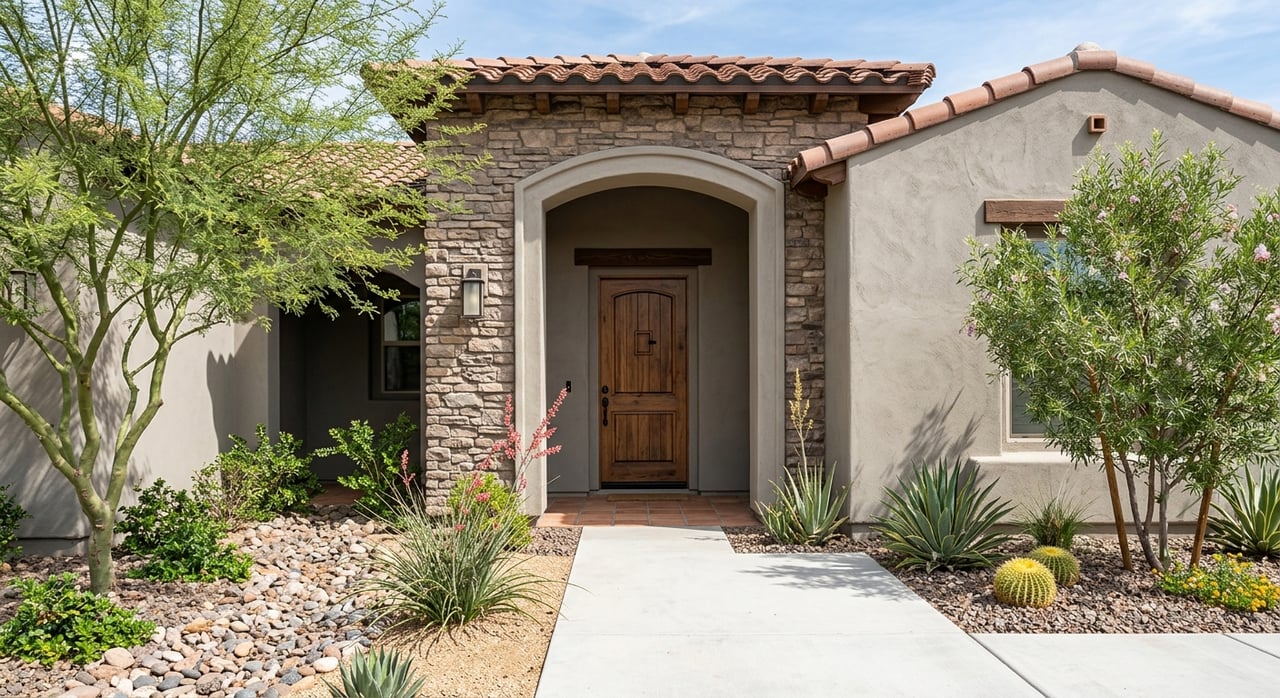
The front door is a simple place to focus. In NAR’s 2025 Remodeling Impact Report, a new steel front door ranked as the top cost-recovery item, which supports the idea that entry upgrades offer broad appeal.
For a Queen Creek new build, that does not mean overdesigning the entry. It usually means choosing a clean, durable option that fits the home’s style and will still look right if design trends shift.
Choose windows with longevity in mind
Windows matter in a high-sun environment. NAR seller guidance also places strong value on visible exterior improvements, and its resale coverage estimated cost recovery at 74% for new vinyl windows and 71% for new wood windows.
In practical terms, this points to a simple rule: upgrades that improve the exterior look and hold up under daily wear often age better than decorative add-ons that are easy to date.
Do not overlook roof and exterior finishes
Roofing and paint may not feel exciting in a design center, but they influence curb appeal and maintenance perception. NAR seller guidance puts painting the entire home, painting one room, and installing new roofing at the top of the list of projects to tackle before listing.
In a desert market, a clean exterior and durable materials can stay relevant longer than bold finish choices that may fall out of style. If your builder offers exterior package options, it is usually wise to lean toward timeless over trendy.
Favor function in kitchens and baths
Kitchens and baths still matter, but the data suggests that balance beats overbuilding. In NAR’s 2025 report, both a minor kitchen upgrade and a complete kitchen renovation came in at 60% estimated cost recovery, while a bathroom renovation came in at 50%.
That does not mean you should skip these rooms. It means you should focus on features that improve how the home works instead of treating every finish upgrade as an investment win.
Pick kitchen upgrades you will use daily
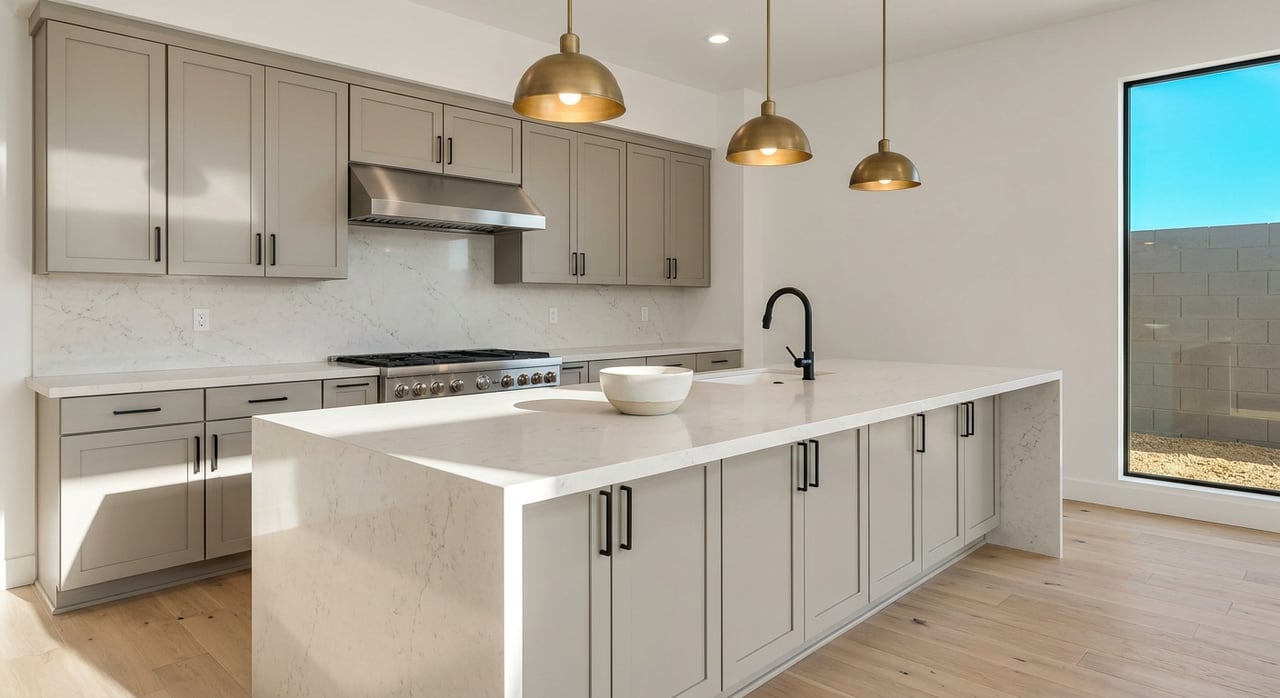
In many Queen Creek households, the kitchen is a high-use space. That makes layout, storage, pantry access, and work flow more important over time than ultra-specific style choices.
If you are deciding where to spend, think about upgrades that make cooking, cleanup, and storage easier. Practical improvements usually age better than statement materials chosen mainly for a dramatic first impression.
Keep bath upgrades practical
Bathrooms can add comfort, but they are not all equal when it comes to long-term value. NAR’s data shows bathroom additions and renovations can help, but they do not outperform some simpler, more universal upgrades.
If your floor plan already works well, be careful about turning standard bath packages into highly customized spaces. Durable finishes, easy maintenance, and usable storage tend to win over niche luxury details.
Invest in storage where possible
Storage may be one of the smartest places to upgrade. NAR’s 2025 data found closet renovation had an estimated cost recovery of 83%, making it one of the strongest-performing categories in the report.
That fits Queen Creek well. In a market with larger households and many owner-occupants, organized storage, better closet design, and useful pantry space are the kinds of features buyers understand immediately.
Make outdoor living work for the desert
Outdoor upgrades deserve extra attention in Queen Creek because the climate changes what people can actually enjoy year-round. The best choices tend to support shade, comfort, and lower water use.
Focus on patios and usable shade
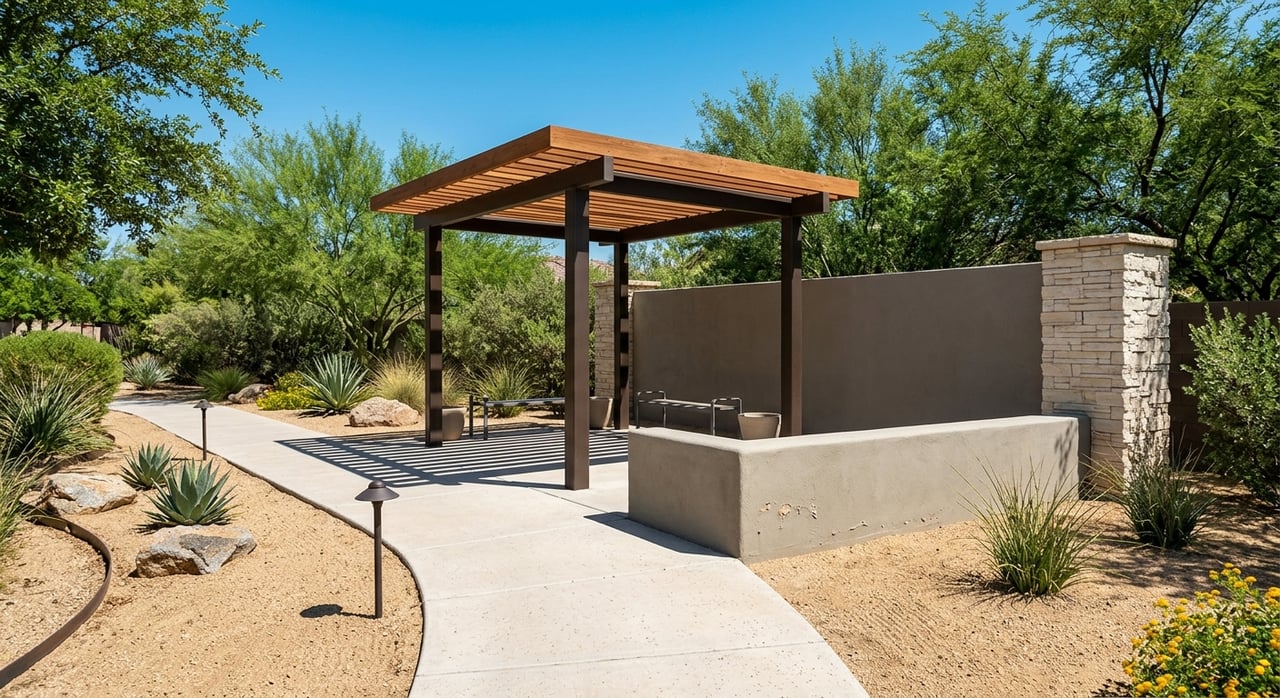
NAR’s 2023 Outdoor Features report found that a new patio recovered 95% of estimated cost. That makes sense locally, where a functional outdoor area can expand how you use the home without relying on overly specialized features.
A patio that supports seating, dining, or everyday outdoor use will usually age better than backyard upgrades built around a narrow lifestyle. In Queen Creek heat, shade-oriented spaces tend to have broader appeal.
Treat landscaping as a long-term upgrade
Landscape upgrades can be more important than many buyers realize. NAR’s outdoor report found overall landscape upgrades recovered 100% of estimated cost, while landscape maintenance recovered 104%.
Locally, that lines up with Town priorities around preserving native vegetation, encouraging drought-tolerant landscaping, and supporting lower-water plant choices. A yard designed for Queen Creek conditions is more likely to stay attractive and manageable over time.
Think carefully about pools and fire features
Some backyard features are better framed as lifestyle choices, not resale strategies. NAR’s outdoor data found an in-ground pool addition recovered 56% of estimated cost, and a fire feature also recovered 56%.
That does not mean these features are wrong for you. It means they are more conditional, and they tend to make the most sense when they match how you plan to live in the home rather than what you hope every future buyer will want.
Match the neighborhood, not your mood
One of the safest rules for new-home upgrades is to keep the home competitive with surrounding homes without trying to outbuild them. NAR resale guidance sums this up well: keep up with the market, but do not overspend on features the neighborhood does not typically support.
In Queen Creek, where new construction and owner-occupied homes make up a big part of the market, move-in-ready appeal matters. NAR also reports that 46% of buyers are less willing to compromise on home condition, which makes durable, easy-to-understand upgrades especially valuable.
Upgrades to keep standard unless needed
Some upgrades can be worth it, but they should usually be tied to the floor plan or your real lifestyle needs rather than added automatically.
These often include:
- extra bathrooms beyond what the plan already supports well
- oversized primary suite expansions
- highly customized built-ins or finish packages
- luxury features with narrow appeal
If an upgrade solves a daily use problem, it may be smart. If it mainly reflects a passing design preference, it may not age as well.
Use Queen Creek’s water-conscious rules to your advantage
Local policy gives you another clue about what tends to hold up here. Queen Creek promotes water-saving landscape changes and supports drought-tolerant, low-water-use design.
The Town also offers a residential natural grass conversion incentive of $2 per square foot, up to $5,000, for replacing at least 500 square feet of turf with low-water-use landscaping, with approval required before work begins. The Town notes that HOA approval may also be required.
Choose low-water landscaping early
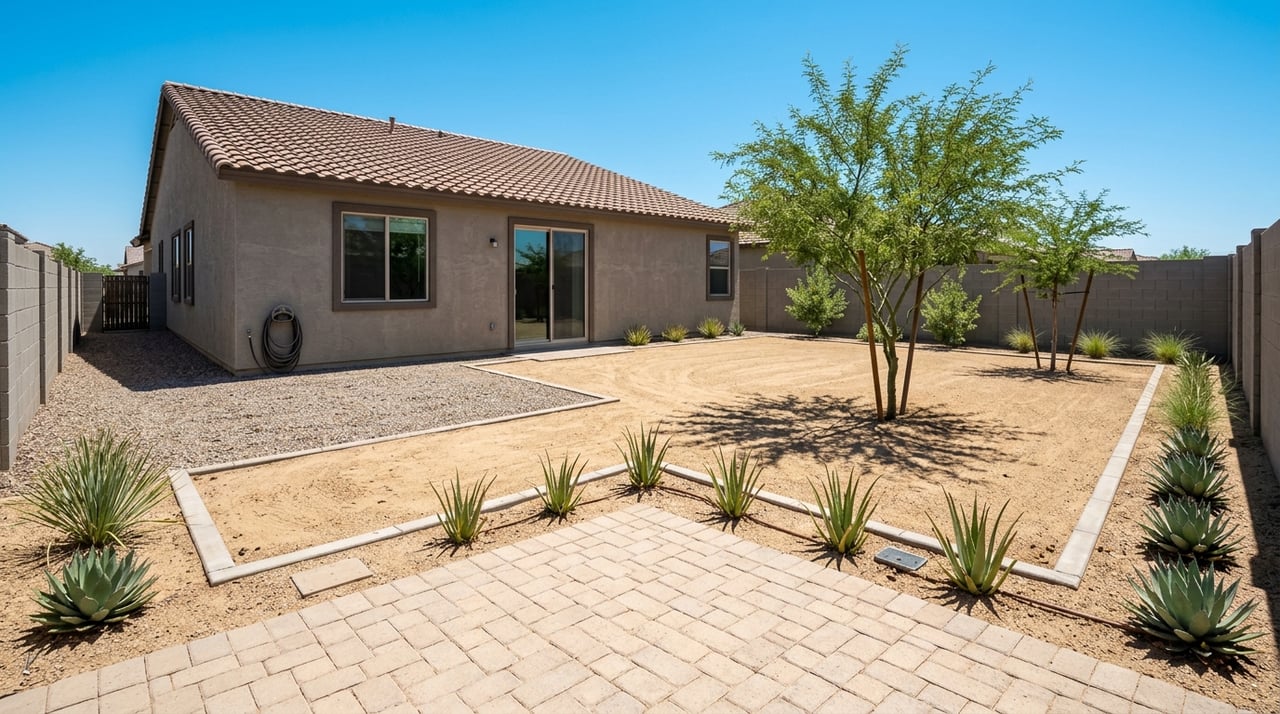
If your builder or community gives you flexibility with the yard, desert-adapted landscaping is often a smart long-term move. Native or drought-tolerant plantings, mulch, shade trees, and efficient irrigation align better with local conditions than turf-heavy designs.
That kind of landscaping can reduce maintenance pressure and fit the visual character of the area. It also aligns with the Town’s zoning direction toward low-water-consumptive landscape materials.
Check HOA and approval requirements
Before making exterior changes, make sure you understand your HOA rules and any Town requirements that apply. Queen Creek specifically notes that some water-saving landscape work may require HOA approval, and incentive programs require pre-approval before installation begins.
This step may not be glamorous, but it can save you money and frustration. It is especially important if you are choosing upgrades with long-term outdoor impact.
A simple upgrade roadmap
If you want a practical order of operations, this is a solid way to think about your budget:
- Start with durability and visibility, such as roof-related choices, front entry, exterior paint direction, and windows.
- Move to daily-function upgrades, such as kitchen flow, bathroom usability, and storage.
- Add outdoor features with broad usefulness, such as patios, shade, and low-water landscaping.
- Treat luxury extras as personal choices, not automatic value boosters.
This approach fits both the local climate and the way many Queen Creek buyers evaluate homes. It also helps you avoid spending heavily on items that may feel exciting now but offer less staying power.
If you are weighing builder options in Queen Creek, the smartest upgrade list is usually the one that balances your lifestyle with what the market clearly values. That means choosing durable, useful, and locally appropriate features first, then layering in personal touches where they make the most sense. If you want help comparing builder options, lot choices, or which upgrades are worth paying for, reach out to April Shumway for practical guidance backed by local new-construction experience.
FAQs
What new-home upgrades in Queen Creek usually age best?
- The upgrades that tend to age best are visible, durable, and useful every day, such as front entry improvements, windows, practical kitchen upgrades, storage, patios, and low-water landscaping.
Are kitchen upgrades worth it in a Queen Creek new build?
- Kitchen upgrades can be worth it when they improve layout, storage, and daily function, but highly customized finishes may not age as well as practical choices.
Should you add a pool to a new home in Queen Creek for resale?
- A pool may be a good lifestyle choice for you, but the research shows it is not one of the strongest projects for cost recovery, so it should not be treated as an automatic resale win.
Why does landscaping matter so much in Queen Creek?
- Landscaping matters because Queen Creek has a hot, water-conscious desert climate, and the Town encourages drought-tolerant, low-water-use landscape design that is easier to maintain over time.
Do Queen Creek HOA rules affect exterior upgrades?
- Yes. Some exterior and landscaping changes may require HOA approval, and Town incentive programs for turf conversion require approval before work begins.
How should you prioritize builder upgrades in Queen Creek?
- A smart order is to start with exterior durability and curb appeal, then improve kitchen and bath function, then add usable outdoor space, while treating luxury extras as optional lifestyle choices.